

Introduction
The online world is changing fast, and people everywhere are quietly shifting from public feeds to private spaces. Social media once felt open, free, and exciting, but now many users feel overwhelmed, distracted, and unheard. This shift has created a new digital culture built around private groups, clubs, and channels. In these small circles, people find trust, privacy, and real connection. In this blog, we explore why private spaces are rising, how platforms are evolving, and how a strong Private Community Strategy can help creators and businesses grow in a more intimate and authentic way.
Why People Are Moving Away from Public Feeds
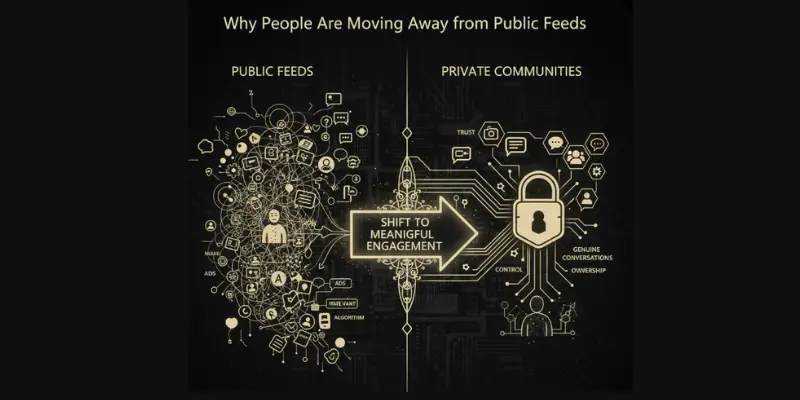
Many users feel tired of constant noise on public platforms. They scroll through endless ads, arguments, and irrelevant posts, making the experience stressful instead of enjoyable. Private spaces offer a calm environment where users can interact without pressure. They create room for genuine conversations and meaningful engagement. This shift has changed how people connect online.
Another reason people leave public feeds is lack of control. Algorithm-driven feeds hide important posts and highlight content that may not match user interests. Private groups give members a sense of ownership because everything is visible and intentional. People feel safer sharing personal experiences. This makes private communities more appealing than ever.
The Need for Data Security and Privacy
Privacy has become a top priority in the digital world. Public platforms often track user behavior in ways people do not fully understand. This makes users feel exposed and unsafe. Private channels give them more security and control. They share freely knowing their data is protected.
Users also trust small communities more. Information shared in private groups stays within the group. Members avoid the fear of viral exposure or unwanted attention. This creates a safe emotional environment. Privacy builds confidence and brings people closer.
The Desire for Meaningful Connections
Many people want relationships that feel real and personal. Public feeds promote superficial engagement that disappears quickly. Private communities allow deeper conversations and stronger bonds. Members interact with purpose instead of reacting to random posts. These genuine connections make private groups feel like family.
People also seek curated spaces with shared interests. They want communities built around passions, goals, or lifestyles. This creates a sense of belonging that public platforms cannot offer. Members support each other, learn together, and grow as a group. Meaningful relationships thrive in private spaces.
Escaping Information Overload
Public feeds are crowded with ads, trends, and content that competes for attention. Users feel mentally exhausted and overwhelmed. Private groups reduce noise and offer focused discussions. Members see only what matters to them. This creates a peaceful digital experience.
When information is excessive, quality decreases. Private channels offer quality over quantity. Discussions stay relevant and useful. Members appreciate the organized structure and predictable flow. This helps maintain long-term engagement.
Rise of Tailored Niche Communities
Niche groups bring together people with similar interests. These communities grow faster because members feel understood. Content is created specifically for the group’s needs and passions. This makes users more active and loyal. Private niche groups maintain higher retention than general public spaces.
Platforms like Discord and Geneva excel at niche communities. They offer customizable tools for group organization. Creators can design unique experiences for members. This personalization strengthens connection and loyalty. Niche-focused communities are shaping the future of digital interaction.
Why Private Social Platforms Are Growing in Popularity
Private platforms offer exclusive access and stronger connection opportunities. Members feel like they are part of something special. These platforms allow creators to share content directly without algorithm interference. This improves trust and engagement. Users appreciate the clarity and intimacy of private spaces.
Exclusive content also drives growth. People enjoy being part of invite-only groups with valuable insights. Premium communities give members a sense of pride. These benefits make private platforms more attractive. As a result, their popularity continues to rise.
The Psychological Appeal of Private Spaces
Private spaces feel safer and more personal. Members can express themselves freely without judgment. This emotional comfort encourages deeper communication. People feel valued when interactions are genuine. Such psychological safety is rare in public feeds.
Private platforms promote authenticity. Members interact honestly without trying to impress strangers. They share experiences, ask questions, and build trust. This creates a strong emotional bond. Private spaces offer the human warmth missing in public environments.
Best Platforms for Private Groups & Content Sharing
Choosing the right platform is essential for a successful Private Community Strategy. Discord works best for structured communities that need channels and roles. Geneva supports lifestyle groups and inclusive spaces. Substack is ideal for newsletters, content clubs, and Creator-first communities. Each platform offers unique features for private engagement.
Successful communities use platforms based on audience behavior. For example, fast communication suits WhatsApp and Telegram. Creators with long-form content prefer Substack. Discord fits gaming, learning, and professional communities. Platform choice depends on goals and content style.
Discord
Discord provides detailed channel organization, making it easy to manage conversations. Communities can create private rooms, voice chats, and event spaces. Members enjoy real-time interaction across different topics. Moderation tools ensure safety and structure. Discord is ideal for community-centered brands.
Creators also enjoy flexibility. Bots automate tasks and improve engagement. Roles help segment members by interest or access level. This helps create personalized experiences. Discord remains one of the most powerful private community platforms.
Geneva
Geneva is designed for lifestyle and real-world communities. The interface feels warm and welcoming. Members join for events, clubs, and guided discussions. It blends online connection with real human energy. Geneva works well for wellness, social, and creative groups.
Customization is another strength. Leaders can create rooms for chats, meetups, and group activities. The platform encourages safe and inclusive engagement. It keeps communities organized without feeling strict. Geneva is perfect for human-centered digital groups.
Substack
Substack focuses on deep content and meaningful conversations. Writers share long-form posts and interact through comments. Subscriptions help creators monetize easily. Members enjoy high-quality reading experiences. Substack builds strong creator-audience relationships.
The platform also supports private chats. This creates a blend of newsletters and community engagement. Readers feel closer to creators. It is perfect for writers building loyal communities. Substack continues to grow in popularity.
The Business Case for Going Private
Private communities offer stronger customer relationships. Direct communication ensures messages reach the right people. This increases engagement and trust. Brands build loyalty by offering exclusive content. These benefits make private communities a powerful business tool.
Monetization opportunities increase in private networks. Members are more likely to buy from someone they trust. This leads to higher conversions and repeat sales. Businesses can offer coaching, digital products, or premium access. Private communities create a profitable environment.
Key Benefits of Moving to Private Groups and Channels
Private communities offer unique advantages that public platforms simply cannot match. They allow brands, creators, and businesses to create deeper connections and deliver more targeted value. Members feel more involved because they interact in a controlled, secure space. Group culture builds faster in smaller environments. This is why private spaces are at the center of every successful Private Community Strategy.
Major benefits include:
- Higher engagement rates
- Real audience ownership
- Better privacy & protection
- Increased trust and connection
- Monetization without algorithms
How to Choose the Best Private Platform for Your Needs
Choosing a platform depends on your goals, audience, and content style. Each platform offers unique features that support different types of communities. The right choice strengthens your brand and improves long-term sustainability. When aligned with your strategy, private platforms can help you scale your influence faster. A clear selection process supports your overall Private Community Strategy.
Consider these factors:
- Community size and growth prediction
- Content type: text, video, voice, long-form, short-form
- Monetization features available
- Security and admin controls
- Integration with your existing tools
Best Practices for Managing a Private Community
Managing a private group sounds simple, but it requires consistency and structure. A well-organized community makes members feel valuable and heard. This leads to more active participation and stronger engagement loops. When leaders maintain clarity, members naturally contribute more. These practices help stabilize your Private Community Strategy.
Community management best practices:
- Set clear rules and expectations
- Post consistently on a fixed schedule
- Assign moderators or co-hosts
- Encourage members to share, not just consume
- Host weekly or monthly live sessions
Content Ideas That Boost Engagement Inside Private Groups
Private groups can become inactive if content is not consistent. You need creative, interactive, and relevant posts to keep the community alive. Members should feel excited every time they open the group. Engaging content ensures stronger connections and higher retention. Effective content planning supports long-term Private Community Strategy success.
High-performing content ideas:
- Quick polls
- “Ask Me Anything” sessions
- Weekly challenges
- Exclusive tutorials
- Behind-the-scenes content
- Mini-courses or bite-sized lessons
- Member spotlights
- Industry news breakdowns
Monetization Opportunities Inside Private Communities
Private groups provide many ways to earn revenue ethically. Members are more willing to pay for value because the environment is exclusive and personalized. Monetization strengthens brand authority when done with integrity. It also helps creators maintain sustainability while delivering premium value. These income streams can elevate your Private Community Strategy.
Popular monetization methods:
- Paid membership tiers
- Monthly subscriptions
- Exclusive products or courses
- Premium coaching sessions
- Affiliate collaborations
- Early access to new releases
Signs Your Private Community Is Growing Successfully
Growth is not just about numbers it’s about healthy interaction. A thriving community creates its own momentum. When members start contributing without being asked, your strategy is working. You can track progress using key indicators and engagement signals. These insights help refine your Private Community Strategy.
Growth indicators:
- Members engage daily
- New members join through referrals
- Discussions happen organically
- Retention rates rise each month
- Members request more content
Mistakes to Avoid When Running a Private Group
Many communities fail because they lack structure. Without planning, the group becomes silent or unorganized. Leaders must avoid common mistakes to keep the group healthy. Taking the wrong steps can push members away. Avoiding these mistakes strengthens your overall Private Community Strategy.
Common mistakes:
- Posting inconsistently
- Not welcoming new members
- Allowing spam or irrelevant content
- Ignoring feedback
- Overloading members with too much information
Tools That Make Private Community Management Easier
Tools can simplify the entire process of creating and managing communities. They save time and help leaders stay organized. Good tools support communication, automation, and analytics. They also improve the member experience. Using the right tools enhances your Private Community Strategy.
Recommended tools:
- Scheduling apps (e.g., Later, Buffer)
- Automation tools (Zapier, Make)
- Community dashboards (Circle, Tribe)
- Analytics platforms
- Secure messaging apps
Downsides & Challenges of Private Communities
Private communities have limited discovery. Growth depends heavily on referrals and outreach. New members may not join easily without marketing. This makes expansion slower. However, targeted growth leads to higher-quality engagement.
Moderation is another challenge. Leaders must manage conflicts and filter harmful content. This requires time and responsibility. Community managers must stay consistent and present. Strong structure minimizes these issues.
Future Outlook: Are Public Platforms Adapting?
Public platforms are noticing the shift toward private spaces. Many now offer features like channels, groups, and circles. They want to keep users engaged in smaller environments. This proves the future is hybrid. Private and public platforms will work together.
AI also plays a role. It helps moderate content and manage communities. Public platforms will continue adapting to user needs. Private spaces will remain strong. The future belongs to intimate, meaningful interaction.
Added Table Section (Clean, SEO-Friendly, Valuable for Readers)
Comparison Table Public Platforms vs. Private Communities
This table helps readers clearly understand the difference between staying in public feeds and shifting to private groups, clubs, and channels. It strengthens your SEO and improves user engagement.
| Feature | Public Platforms | Private Communities |
| Reach | High but algorithm-controlled | Lower but 100% controlled |
| Engagement Quality | Mixed, often low | Deep, meaningful, high-retention |
| Privacy | Minimal, open visibility | High, restricted access |
| Content Longevity | Short-lived due to feeds | Long-lasting, searchable |
| Audience Ownership | Platform owns audience | Creator/brand owns relationships |
| Noise Level | High information overload | Focused, filtered, relevant |
| Monetization Options | Limited and competitive | Direct, subscription-based, exclusive |
| Community Trust | Hard to build | Strong and personal |
| Moderation Control | Low control | Full control |
How to Build a Successful Private Community Strategy
A successful Private Community Strategy begins with clear purpose. Leaders must define the main goal and audience. This creates a strong foundation for growth. Clear goals attract the right members. Purpose makes the community meaningful.
Next, leaders must plan engagement. Weekly discussions create excitement. Members enjoy structured interactions. Consistency builds loyalty. Engagement defines community success.
Types of Content That Work Best in Private Groups
Educational content works well. Tutorials, guides, and templates help members learn quickly. Stories create emotional bonding. Members respond better to honest content. This builds trust.
Interactive content boosts engagement. Polls, quizzes, and live sessions keep members active. These tools encourage participation. Members feel involved and valued. Interaction strengthens group loyalty.
Monetizing Your Private Groups, Clubs, and Channels
Private communities support monetization naturally. Paid memberships give access to exclusive content. Members invest because they trust the space. Premium offers perform well. Monetization becomes easy.
Creators can also promote services. Coaching, digital products, and courses sell better in private spaces. Members value exclusive access. Promotions feel natural. Monetization grows with trust.
Mistakes to Avoid in Private Communities
Inconsistent posting harms engagement. Members lose interest without leadership. Regular activity keeps communities alive. Leaders must stay visible. Consistency is key.
Selling too much is another mistake. Value should come first. Members appreciate communities that care. Sales should feel natural, not forced. Balance keeps members loyal.
How Algorithms Push Users Toward Private Spaces
Public platforms rely heavily on algorithms. This reduces content visibility. Users feel frustrated when important posts are hidden. Private spaces fix this. Content reaches everyone.
Creators feel exhausted by algorithm pressure. Private communities let them focus on value. Members get direct access without filters. This increases trust. Users prefer this clarity.
The Role of Trust in Private Communities
Trust creates strong communities. Members feel safe expressing themselves. Leaders build trust through honesty. Respect drives engagement. Trust strengthens connection.
Trusted communities grow naturally. Members invite others. Word-of-mouth drives growth. Trust improves retention. Strong trust leads to long-term success
Join Mugenz and Build a Powerful Private Community
Want to grow faster, connect deeper, and build a community that truly belongs to you?
Join Mugenz, the platform designed to empower creators, coaches, brands, and businesses who are shifting from noisy public feeds to high-value private spaces.
Inside Mugenz, you get exclusive tools, expert insights, and community strategies that help you attract the right people and keep them genuinely engaged.
Access private training, premium content, and step-by-step guidance to make your Private Community Strategy stronger than ever.
Take action today and unlock your growth potential with Mugenz.
Start Your Mugenz Private Community Journey Now
Conclusion
The world of online interaction is shifting, and private communities are leading the way. People want deeper relationships, safer spaces, and meaningful engagement. Private groups, clubs, and channels offer all these benefits and more. With a strong Private Community Strategy, creators and businesses can build loyal, active communities that grow naturally. As public platforms evolve, private spaces will continue to shape the future of digital connection.
FAQs
1. Why are private communities becoming popular?
People want safe and meaningful spaces. Public feeds feel overwhelming. Private groups offer comfort. Members connect naturally. This drives popularity.
2. Which platforms are best?
Discord is structured. Geneva is lifestyle-friendly. Substack is great for writers. Telegram is great for fast communication. Choose based on your needs.
3. Can private communities help businesses?
Yes, they improve trust. Customers feel closer to brands. Conversions increase. Loyalty grows. Businesses benefit greatly.
4. How do I keep my group active?
Post consistently. Use interactive content. Host discussions. Encourage feedback. Activity improves engagement.
5. Can I monetize my group?
Yes, private spaces support monetization. Members trust the environment. Offers perform well. Premium content sells. Monetization becomes simple.