Getting backlinks is one of the most powerful ways to improve your rankings. But not all links are created equal. The wrong approach can land your site in Google’s bad books. The right approach, however, can bring long-lasting traffic and credibility. Let’s explore how to build natural backlinks that boost authority without risking penalties.
Natural backlinks help your website grow steadily instead of overnight spikes that raise red flags. They support long-term SEO success and brand trust. When links come naturally, they align with how search engines expect the web to work. This makes your rankings more stable even after algorithm updates. That is why smart SEO focuses on earning links, not forcing them.
What Are Natural Backlinks and Why They Matter

Natural backlinks are links you earn because others genuinely value your content. They are not paid, exchanged, or manipulated in any way. These links usually come from blogs, news sites, or industry resources related to your niche. Search engines see them as honest recommendations. This makes them extremely powerful for SEO.
Natural backlinks also improve user trust and referral traffic. Visitors clicking these links are already interested in your topic. This often leads to better engagement and conversions. Over time, your website builds authority in its field. That authority helps future content rank faster.
Key characteristics of natural backlinks:
- Earned organically, not bought
- Relevant to your niche
- Placed within helpful content
- Follow Google’s link guidelines
Why Google Values Natural Backlinks
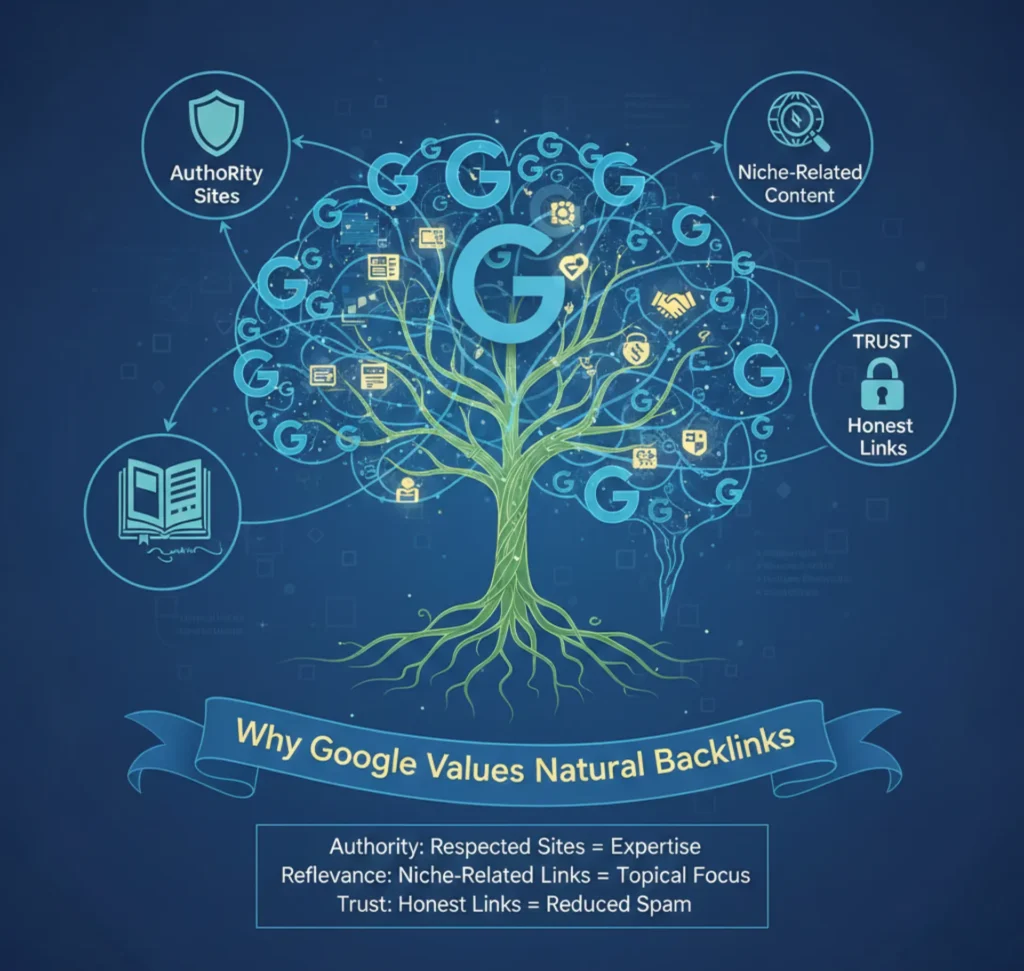
Google uses backlinks as a way to measure credibility. When trusted websites link to you, it signals quality. Natural backlinks show that your content deserves attention. This helps Google rank your pages more confidently. The stronger the source, the higher the value.
Google also looks at context, not just the link itself. A backlink from a relevant article carries more weight than a random mention. Natural linking patterns look realistic and diverse. This protects your site from penalties. That is why ethical link building always wins.
Google values natural backlinks because they show:
- Authority: Links from respected sites prove expertise
- Relevance: Niche-related links strengthen topical focus
- Trust: Honest links reduce spam signals
Should You Do Link Building in the First Place?
Link building is essential if you want long-term SEO growth. Ranking without backlinks is very difficult in competitive niches. However, not all link-building methods are safe. Spammy tactics may give short-term gains but lead to penalties later. Natural backlinks protect your site while helping it grow.
The goal is not to build hundreds of links quickly. The goal is to earn meaningful links over time. Even a few high-quality backlinks can outperform dozens of poor ones. Quality always beats quantity in modern SEO. That mindset keeps your website safe.
Link building makes sense when you:
- Want sustainable organic traffic
- Aim to rank for competitive keywords
- Care about long-term brand trust
- Follow white-hat SEO practices
How Content Helps You Earn Natural Backlinks
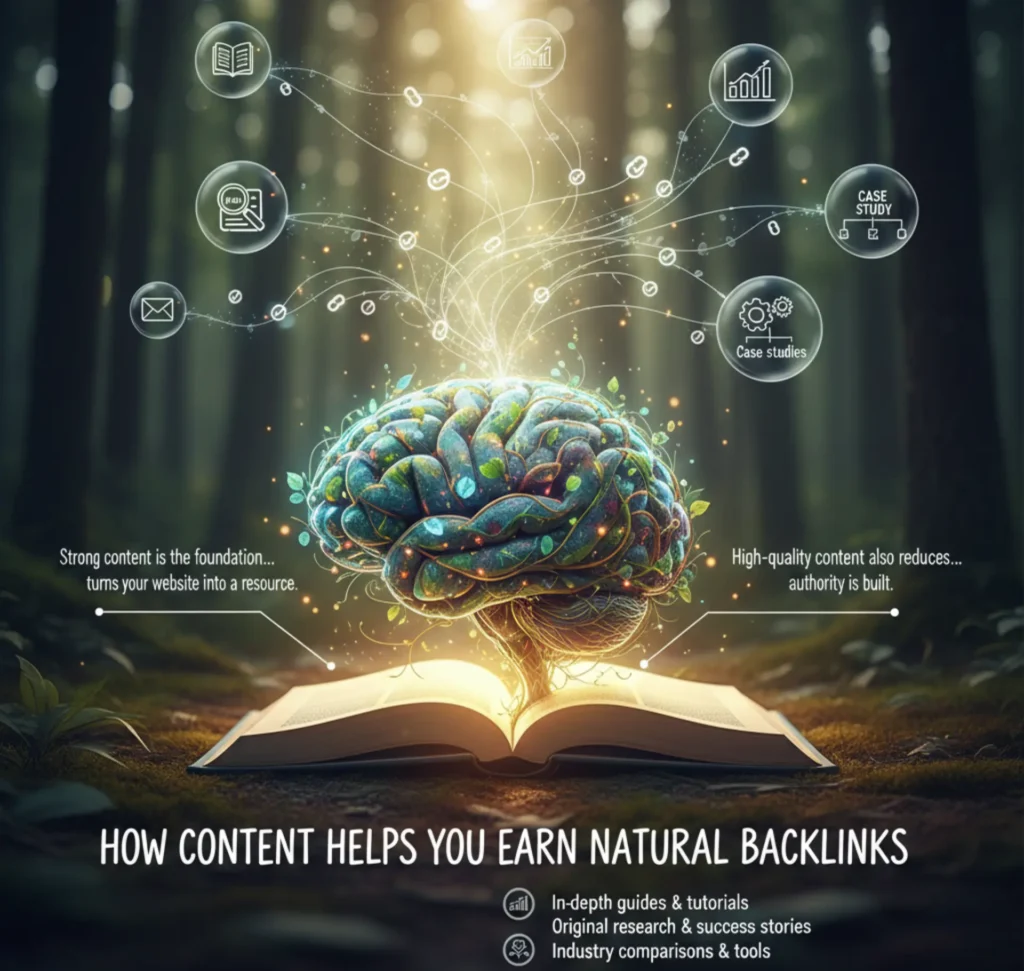
Strong content is the foundation of natural backlinks. People link to content that solves problems or shares unique insights. Generic articles rarely attract attention. Valuable content does the heavy lifting for link building. It turns your website into a resource.
High-quality content also reduces the need for aggressive outreach. When your content stands out, others discover it naturally. This creates organic mentions across blogs and social platforms. Over time, backlinks come consistently. That is how authority is built.
Content types that attract backlinks:
- In-depth guides and tutorials
- Original research and statistics
- Case studies and success stories
- Industry comparisons and tools
How Natural Backlinks Grow Without Risky Shortcuts
Natural backlinks grow when promotion is done correctly. Sharing content through ethical outreach is not spam. It simply helps the right people discover your work. Once discovered, quality content earns links on its own. This keeps your backlink profile clean.
You still need patience with this approach. Results do not happen overnight. However, the links you earn will last much longer. They will also survive Google updates. That stability is worth the wait.
Safe ways to promote content:
- Share content on social media
- Build relationships with bloggers
- Answer questions in your niche
- Collaborate with relevant brands
Common Link-Building Mistakes That Hurt Your SEO
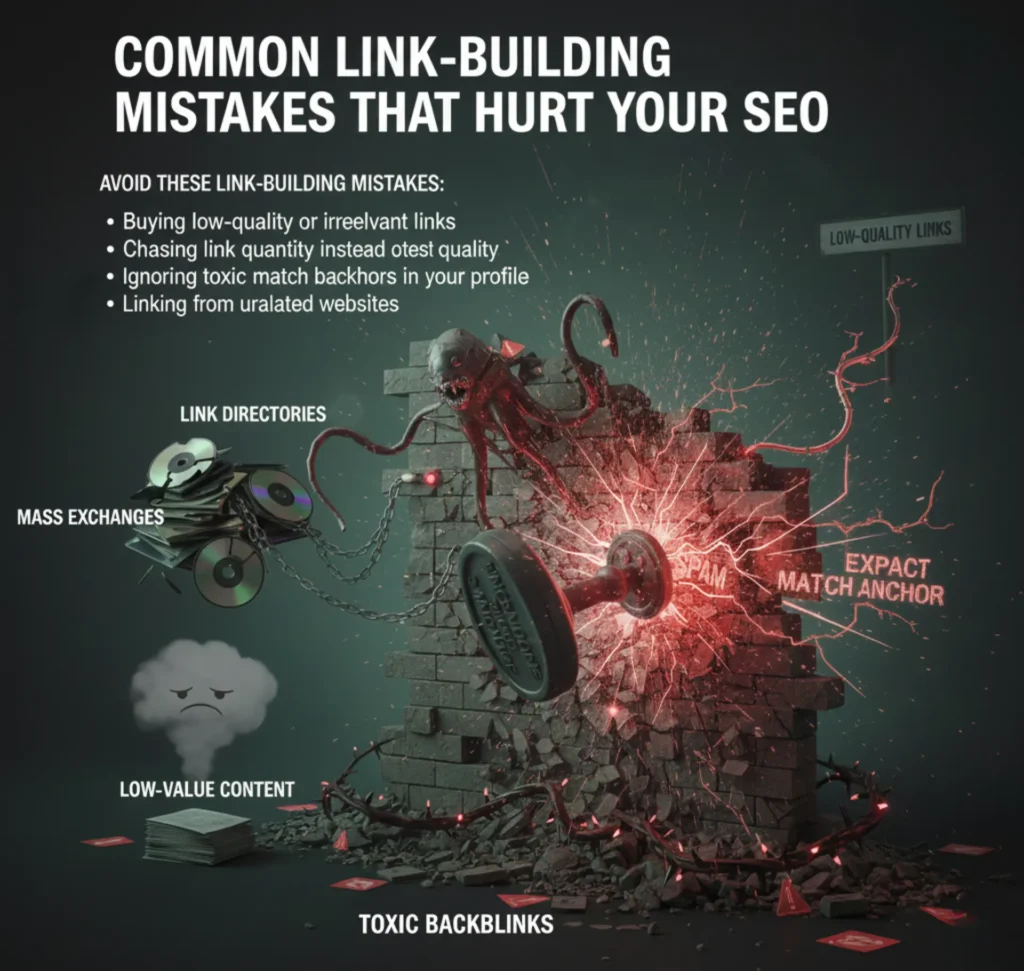
Some link-building tactics can tank your rankings. Buying links from shady networks is the most dangerous. Spam signals can also be triggered by constantly using the same anchor text. Relying on link directories and mass link exchanges is outdated. Promoting low-value content won’t earn trust or links.
Avoid these link-building mistakes:
- Buying low-quality or irrelevant links.
- Chasing link quantity instead of quality.
- Ignoring toxic backlinks in your profile.
- Using exact match anchors excessively.
- Linking from unrelated websites.
What Works: Proven Strategies to Get Natural Backlinks
Creating high-value content is the foundation of natural backlinks. Think case studies, original research, and comprehensive guides. Your brand is exposed to new consumers through guest posting on relevant websites. You can rapidly increase your backlink count by reclaiming unlinked brand references. Missed opportunities become SEO victories due to broken link building.
Effective strategies include:
- Creating link-worthy assets (infographics, tools, studies).
- Appearing on niche podcasts for exposure.
- Responding to journalist requests via HARO or Qwoted.
- Reclaiming lost or broken backlinks.
- Building partnerships with relevant brands.
The Link-Building Process
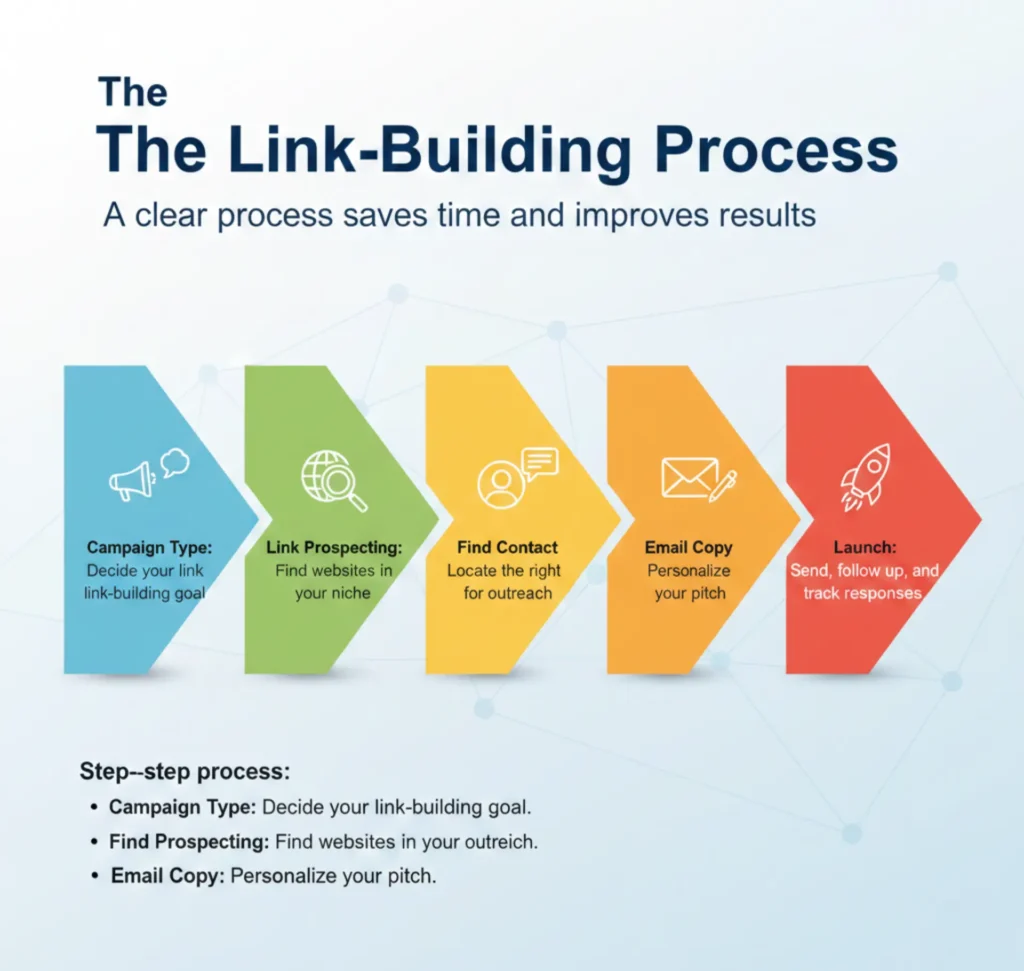
A clear process saves time and improves results. First, choose the type of campaign—guest posting, broken link building, or digital PR. Next, find link prospects using tools like Ahrefs or SEMrush. Then, identify the correct contact person to pitch your idea. Lastly, write outreach emails that are tailored to each individual and follow up.
Step-by-step process:
- Campaign Type: Decide your link-building goal.
- Link Prospecting: Find websites in your niche.
- Find Contact: Locate the right person for outreach.
- Email Copy: Personalize your pitch.
- Launch: Send, follow up, and track responses.
Link Building for Different Niches
Different industries require unique backlink approaches. NGOs can attract links by showcasing their impact and social initiatives. Healthcare sites should focus on evidence-based, authoritative content. Real estate businesses benefit from local partnerships and market reports.
Examples:
- NGOs: Publish research, partner with advocacy groups.
- Healthcare: Create expert medical guides and resources.
- Real Estate: Share housing market trends and local insights.
How to Build Natural Backlinks on a Budget
You can still build strong backlinks without big budgets. Leverage free tools like Google Search Console for monitoring. Use social media to share valuable content and attract attention. Participate in online forums by responding to queries and offering answers. These simple actions can generate organic link opportunities.
Budget-friendly methods:
- Participate in forums like Quora or Reddit.
- Offer guest articles to relevant blogs.
- Build relationships on LinkedIn and niche groups.
Best Tools for Building and Tracking Backlinks
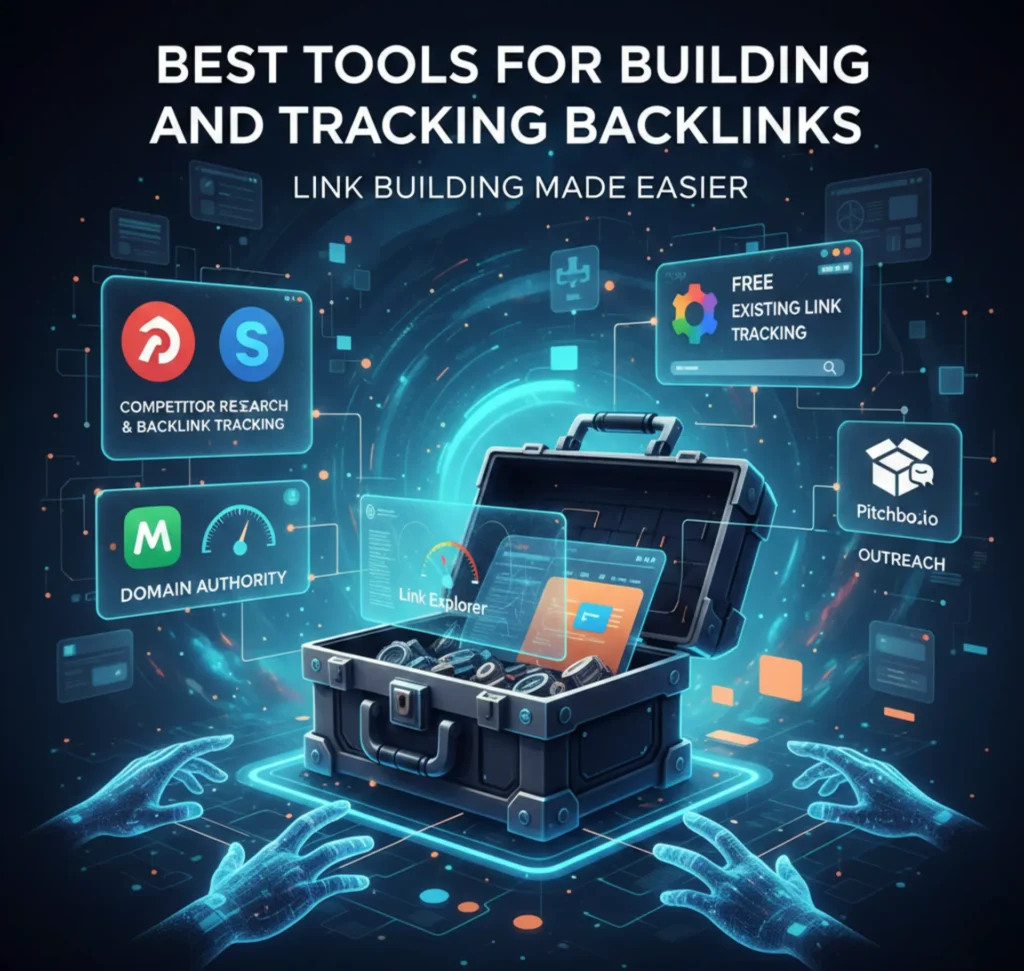
Link building is made easier and more efficient with the correct tools. Ahrefs and SEMrush are great for competitor research and tracking backlinks. Moz Link Explorer helps check domain authority, while Google Search Console tracks existing links for free. Reaching out to possible link partners is made easier with Pitchbox and Hunter.io. Adding more tools to your toolkit can improve results and save time.
Recommended Tools:
- Ahrefs: Great for researching competitors, analyzing backlinks, and finding link chances.
- SEMrush: a comprehensive SEO tool with backlink auditing, keyword research, and site monitoring features.
- Moz Link Explorer: Measures domain authority and finds linking opportunities.
- Google Search Console: Free tool for tracking backlinks and monitoring your site’s performance.
- Pitchbox: Streamlines outreach campaigns for link building.
- Hunter.io: Finds verified email addresses for link outreach.
- Majestic: Specializes in backlink history and trust flow metrics.
- BuzzStream: Centrally manages link-building outreach and influencer relationships.
- Linkody: Tracks new and lost backlinks, sends alerts, and analyzes link profiles.
- NinjaOutreach: Locates influencers and bloggers for link partnerships and guest posts.
DIY Link Building vs. Hiring an Expert
Choosing between DIY link building and hiring an expert depends on your time, budget, and goals. DIY link building works well for small businesses and beginners who want to learn SEO. It gives you full visibility into how links are earned and maintained. However, it requires consistency, creativity, and patience to see results. Hiring an expert is ideal when you want faster growth and professional execution.
Both approaches can be effective when used correctly. The key is understanding the strengths and limitations of each option. Poor execution on either side can hurt your backlink profile. Smart decision-making keeps your SEO strategy safe and scalable. Many successful brands use a mix of both.
DIY Pros
DIY link building gives you complete control over your backlink strategy. You decide which websites to target and how outreach is done. This helps you stay aligned with Google’s guidelines at all times. It is also budget-friendly since you only invest time and effort. Over time, you gain strong SEO knowledge and confidence.
DIY Cons
DIY link building is time-consuming and requires daily effort. Learning SEO best practices takes time and continuous updates. Outreach emails may be ignored, leading to slow progress. Results often take months to appear. Without experience, mistakes can happen easily.
Expert Pros
Hiring an expert brings experience and tested strategies to your campaign. Professionals already have systems, tools, and connections in place. Results are quicker and more reliable as a result. Experts also understand how to avoid penalties. You save time and focus on running your business.
Expert Cons
Expert services can be costly, especially for small businesses. Not all agencies follow white-hat SEO practices. Some may prioritize quantity over quality. Poorly vetted experts can put your site at risk. That is why research and transparency are essential.
Tip: When to Combine Both Approaches
Combining DIY efforts with expert support often delivers the best results. You can handle content creation and basic outreach internally. Experts can manage advanced strategies and high-authority placements. This approach works especially well for healthcare, NGOs, and real estate niches. It balances cost, control, and performance.
How to Pick the Top Link-Building Professional or Firm
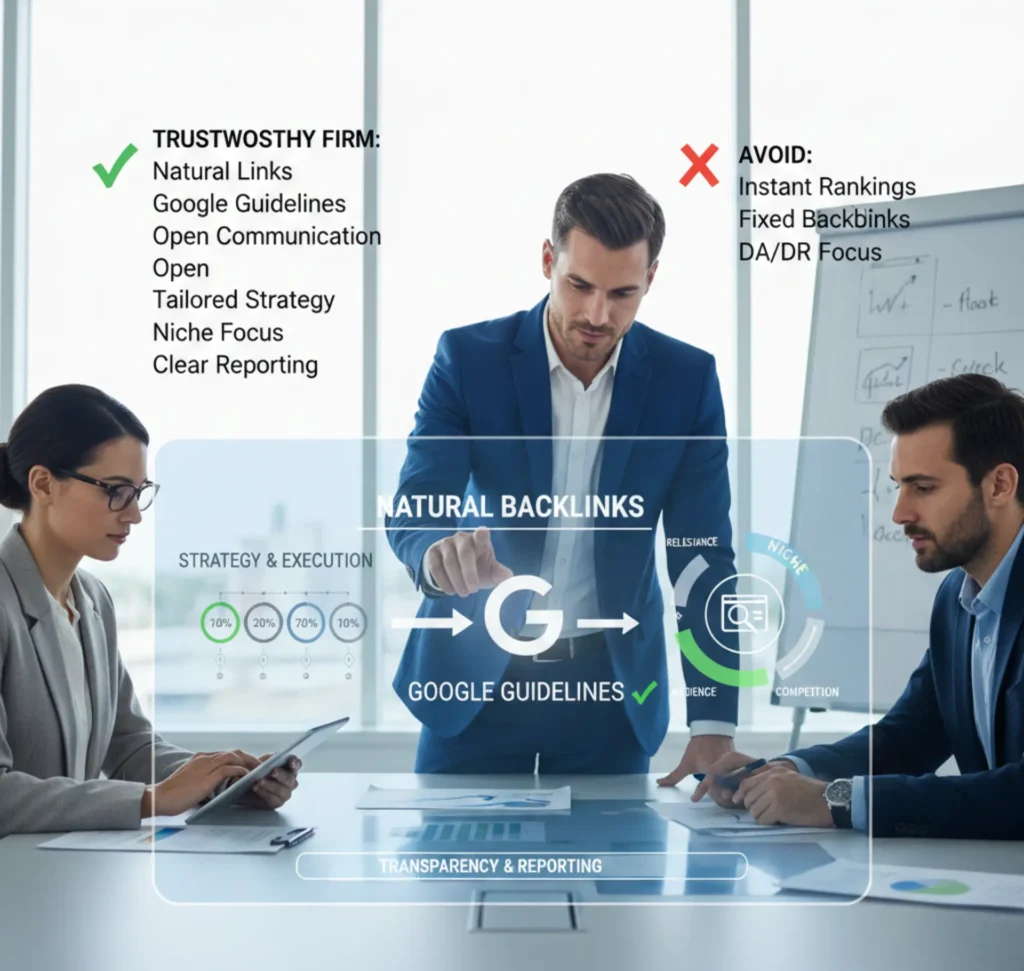
Choosing the right link-building expert or agency can make or break your SEO strategy. A trustworthy firm focuses on natural backlinks and follows Google’s guidelines. They should be open about how they build links and where those links come from. Avoid agencies that promise instant rankings or a fixed number of backlinks. Real link building takes time, strategy, and careful execution.
A good professional prioritizes relevance over vanity metrics like DA or DR. They tailor link-building strategies to your niche and business goals. The agency should understand your industry, audience, and competition. Communication and reporting should be clear and consistent. Transparency is a strong sign of long-term reliability.
Red Flags to Watch Out For
Some warning signs can help you avoid poor-quality services. If an agency refuses to explain their process, that is a major concern. Links coming only from blogs, directories, or private networks are risky. Be cautious of extremely low pricing, as quality link building requires real effort. It is best to stay away from any claim of “guaranteed rankings.”
Checklist for Hiring a Link-Building Expert
Use this checklist to make a confident decision:
- Ask for real examples of past link-building campaigns
- Request sample websites where links were placed
- Ensure complete transparency in link-building methods
- Confirm that links are earned, not bought
- Approve backlinks before they go live
- Check if reporting includes link source, anchor text, and URL
- Avoid vague pricing, unclear deliverables, or ranking guarantees
Questions You Should Always Ask Before Hiring
Asking the right questions protects your website. Find out how they choose websites for backlinks. Ask whether they follow white-hat SEO practices. Request clarity on anchor text usage. Confirm how they handle toxic or lost backlinks. These answers reveal their true expertise.
Final Tip for Business Owners
If your business operates in healthcare, NGOs, or real estate, niche experience is critical. Industry-specific links are more valuable and safer. Consider starting with a small trial before long-term commitments. A reliable agency will welcome transparency and collaboration. Clear communication and outcomes are the foundation of trust.
Natural Backlinks vs. Paid Backlinks: Comparison Table
| Factor | Natural Backlinks | Paid Backlinks |
| Cost | Free or low-cost | Often expensive |
| Risk of Penalty | Very low | High |
| Sustainability | Long-term benefit | Short-term or risky |
| Trust Factor | High | Low |
| Effort Required | High (content creation/outreach) | Low (but risky investment) |
Why Search Engines Love Natural Backlinks
Search engines reward websites that earn links through real value, not manipulation. Natural backlinks act like genuine recommendations from other websites. They indicate that your material is reliable, helpful, and worthy of citation. This helps search engines trust your site more over time. Trusted sites usually perform better during algorithm updates.
Natural backlinks also support long-term visibility instead of short-lived ranking spikes. They create a healthy and balanced backlink profile. This lowers the risk of manual actions or penalties. When links come from relevant and respected sources, they strengthen your topical authority. That is why natural backlinks are the backbone of sustainable SEO growth.
The Hidden Dangers of Spammy Links
Spammy links may seem like a shortcut, but they come with serious risks. These links often come from irrelevant, low-quality, or automated websites. Search engines can easily identify unnatural linking patterns. Once detected, rankings can drop suddenly. Recovering from link penalties can take months.
Spammy backlinks also hurt your brand reputation. Users may associate your site with poor-quality sources. Over time, trust decreases both for search engines and visitors. Cleaning up toxic links requires audits and disavow files. Avoiding spam from the start saves time and protects your website.
Quick Wins to Attract Quality Backlinks
You don’t need complicated strategies to start earning good backlinks. Simple, well-executed content can attract attention quickly. Original research, statistics, or expert opinions stand out. Guest posts on trusted websites can also deliver fast results. These methods work best when content quality comes first.
Another quick win is updating outdated content with fresh insights. People prefer linking to updated and accurate resources. Sharing content consistently across channels increases discovery. Even small improvements can lead to organic mentions. Focus on usefulness rather than aggressive promotion.
Why Patience Pays in Link Building
Link building is not an overnight process. Natural backlinks take time to grow and mature. Rushing often leads to poor decisions and risky shortcuts. Patience allows your content to reach the right audience naturally. This results in higher-quality links.
Slow growth looks natural to search engines. It also leads to a more diverse backlink profile. Over time, links come from different domains and formats. This strengthens your overall SEO foundation. In link building, steady progress always beats quick wins.
How to Spot High-Authority Websites
Not every website is deserving of a backlink. High-authority websites usually have strong domain metrics and quality content. They publish regularly and engage their audience. These sites also rank well for relevant keywords. A backlink from such a site carries more SEO value.
Use SEO tools to check traffic, relevance, and backlink profiles. Avoid sites filled with ads or unrelated topics. Look for websites trusted within your niche. One strong backlink is often better than many weak ones. Quality links improve rankings and referral traffic.
The Role of Content in Link Building
Content is the foundation of every successful link-building strategy. Without good content, earning backlinks is difficult. People link to content that educates, solves problems, or offers unique insights. High-quality content builds authority naturally. It turns into a resource that people desire to use.
Strong content also supports outreach efforts. When you share valuable content, outreach feels helpful rather than spammy. Visuals, examples, and data increase shareability. Clear structure improves readability. Better content leads to more organic backlinks.
Social Media’s Impact on Backlinks
Social media helps content reach a wider audience. While social links are not direct ranking factors, they increase visibility. More visibility means more chances to earn backlinks. Influencers, bloggers, and journalists often discover content through social platforms. This can lead to organic mentions.
Active engagement also boosts content performance. Comments and shares extend content lifespan. Social discussions can spark interest from niche websites. The more eyes on your content, the higher the backlink potential. Social media supports link building indirectly but powerfully.
Guest Blogging the Right Way
Guest blogging works best when done ethically. Focus on websites relevant to your niche and audience. Provide genuine value instead of promotional content. A well-written guest post builds trust with new readers. It also positions you as an expert.
Avoid mass guest posting or low-quality blogs. Quality matters more than quantity. Choose platforms with real traffic and engagement. Natural backlinks from guest posts are safe and effective. Done correctly, guest blogging strengthens authority and visibility.
Tracking and Maintaining Backlink Health
Backlink management does not end after links are built. Regular monitoring is essential to maintain SEO health. Track new and lost backlinks using reliable tools. This helps you understand what is working. It also reveals potential issues early.
Toxic backlinks should be addressed quickly. Disavow harmful links before they impact rankings. Continue building healthy backlinks to balance your profile. A clean backlink profile improves trust and stability. Ongoing maintenance keeps your SEO strong long-term.
Work With Mugenz to Build Safe, High-Quality Backlinks
Want reliable and penalty-free backlinks for your NGO, healthcare, or real estate business?
Mugenz’s Link-Building Services focus on earning natural backlinks through ethical, industry-specific strategies that align with Google’s guidelines. We don’t believe in shortcuts or risky tactics. Our approach is built on relevance, authority, and long-term growth.
Whether you need local authority links, niche placements, or brand mentions, Mugenz delivers results that last. Our team understands the challenges of competitive industries and designs backlink strategies that support real business goals. From content-driven outreach to relationship-based link building, every link is earned the right way.
Contact Mugenz today and start building authority with confidence.
Conclusion
Building natural backlinks is one of the safest and most effective SEO strategies available today. It helps your website grow without risking penalties or sudden ranking drops. By focusing on valuable content and genuine relationships, you create links that search engines trust. Avoid shortcuts that promise fast results but harm long-term performance. With patience and consistency, your website will achieve steady, sustainable growth.
Natural backlinks also strengthen brand credibility and user trust. They support better rankings, referral traffic, and conversions. Over time, this approach builds a solid SEO foundation that withstands algorithm updates. The effort you invest today pays off in lasting authority. Choosing ethical link building is always the smarter decision.
FAQs
Q1: How long does it take to get natural backlinks?
The timeline depends on your niche, competition, and content quality. Some websites earn links within a few weeks, while others may take several months. Consistency and value-driven content speed up the process.
Q2: Are natural backlinks better than paid backlinks?
Yes, natural backlinks are safer and more reliable. They follow Google’s guidelines and carry long-term SEO value. Paid backlinks often increase the risk of penalties and ranking loss.
Q3: What is the safest way to build backlinks in 2025?
The safest approach is creating high-quality content, using ethical outreach, and engaging with your niche community. Avoid automated tools and spammy link schemes.
Q4: Can I build natural backlinks without outreach?
Yes, it is possible through strong content alone. However, ethical promotion and outreach help your content reach the right audience faster and improve link opportunities.
Q5: How do I check the quality of my backlinks?
Use SEO tools like Ahrefs, SEMrush, or Moz to review backlink relevance, authority, and anchor text. Regular audits help maintain a healthy backlink profile.