
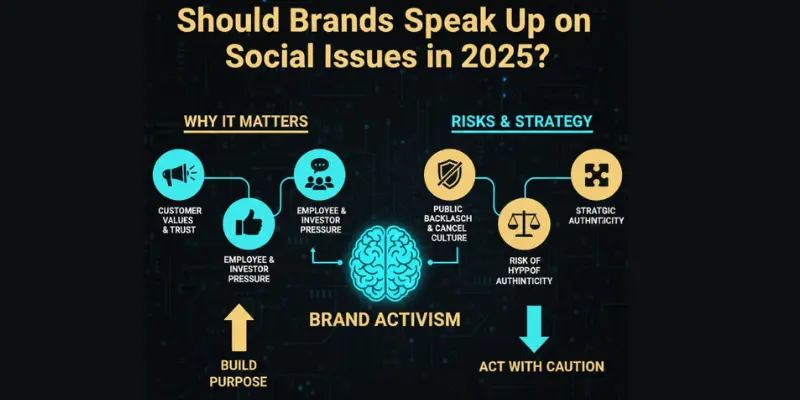
In 2025, brands are judged not only by what they sell but also by the social issues they support. Customers expect companies to reflect their values, take clear stands, and act with purpose. Social media amplifies every message or every silence. That’s why understanding why brands should speak up on social issues has never been more important. In this guide, we’ll explore brand activism, its benefits, risks, and strategies for speaking up authentically without harming trust.
In 2025, brand activism is a strategic decision, not just a trend. Businesses face pressure from customers, employees, and investors to take positions on social and ethical issues. At the same time, public backlash and cancel culture make every move risky. This blog will explain what brand activism really means, why it matters, and how brands can take a stand without damaging trust. By the end, you’ll understand how to act purposefully and strategically in today’s complex landscape.
The Significance of the Question “Should Brands Speak Up on Social Issues” in 2025

Brands today operate in a transparent, hyper-connected world. Every actionor inaction is recorded and shared online. Consumers expect brands to show responsibility, not just sell products. Silence can feel like avoidance, and avoidance can hurt loyalty. This makes the question unavoidable for any modern business.
In 2025, trust drives purchasing decisions more than ever. Customers prefer brands that reflect their values, and employees want to work for purpose-driven companies. Investors also look at ethical impact when evaluating businesses. All these factors combine to increase pressure on brands to take a clear stand. For marketers, understanding this dynamic is critical for long-term growth and credibility.
What Is Brand Activism?
Brand activism means a company publicly supports or opposes social, environmental, or political issues. It goes beyond marketing campaigns or one-time donations. It reflects a brand’s core values and long-term commitment. Many people confuse brand activism with marketing. In reality, it is about aligning words with meaningful action.
Brand activism can include public statements, policy changes, partnerships, and internal reforms. It can focus on issues like climate change, diversity, human rights, or ethical labor. True activism shows consistency and accountability over time. Brands that act authentically build stronger trust and loyalty. Those that fail to align risk damaging credibility permanently.
Brand Activism vs Traditional Marketing
| Aspect | Brand Activism | Traditional Marketing |
| Focus | Social & ethical issues | Products & sales |
| Timeframe | Long-term commitment | Short-term campaigns |
| Audience expectation | Authenticity & action | Promotion & offers |
| Risk level | High if misaligned | Relatively low |
| Trust impact | Strong if consistent | Limited |
Recent Brand Activism Examples
Some brand activism campaigns have gained massive public support. Others faced backlash for being performative. Authenticity is the key difference. Audiences quickly detect fake or opportunistic messages. Action is more powerful than words alone.
Successful examples include:
- Brands aligning activism with their mission
- Long-term commitments rather than one-off posts
- Transparent communication of actions and results
Failed examples include:
- Jumping on trends without internal alignment
- Ignoring criticism after backlash
- Conflicting internal policies
These cases demonstrate why strategy is essential. Brand activism is a business decision with real consequences, not just a social media trend.
How Customers Really Feel About Brands Speaking Up
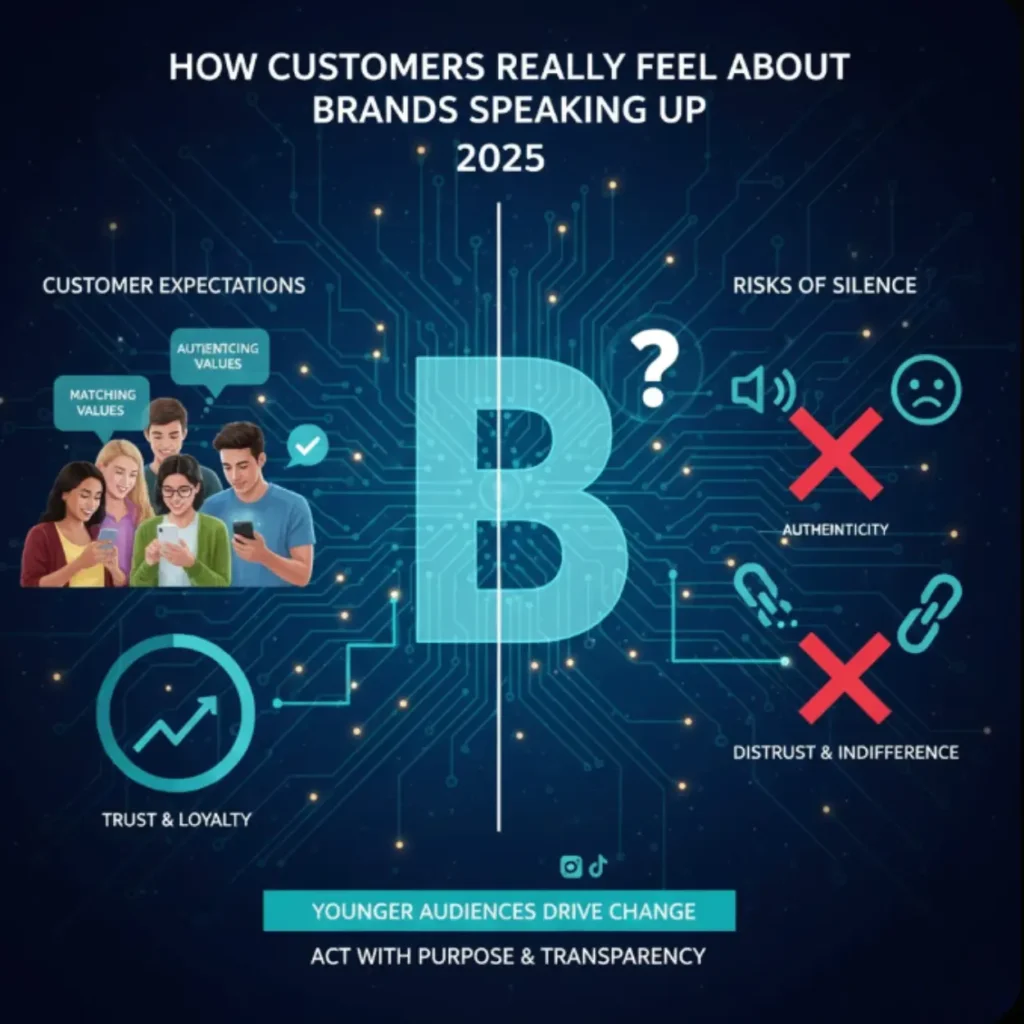
Customers want brands to have values that match their own. They support businesses that are authentic and consistent. Silence can create distrust or indifference. People expect accountability from brands in all sectors. A misaligned stance can damage loyalty instantly.
Younger audiences, in particular, are vocal about brand ethics. Gen Z and Millennials research brands before purchasing. They reward transparency and honesty. Social media amplifies their opinions. Brands that understand customer sentiment can act strategically and avoid unnecessary risks.
The Role of Social Media in Amplifying Brand Voices
Social media is the megaphone for brand activism. Every post, comment, or campaign is visible worldwide. Positive actions are shared and celebrated. Mistakes are scrutinized and viral within hours. This makes planning and careful execution critical.
Platforms like Instagram, Twitter, and LinkedIn allow direct communication with audiences. Brands can use these channels to educate, advocate, or support causes. Engagement drives trust and loyalty. But it also requires consistent monitoring. Quick responses to feedback are essential to maintain credibility.
Small Business vs Big Brands: Who Can Take a Stand Better?
Small businesses have closer community connections. Their voices feel personal and relatable. Big brands have larger audiences but higher visibility and risk. Both can be successful if activism aligns with core values. Scale influences approach, but not authenticity.
Small businesses should focus on local or relevant issues. Big brands must plan campaigns carefully, considering diverse audiences. Both should prioritize transparency and consistency. Internal alignment is key, no matter the size. Strategic activism strengthens credibility and loyalty for every brand.
The Pros and Cons of Brand Activism
Brand activism offers significant advantages but also carries risks. Understanding both is critical for strategic decisions. Success depends on authenticity, timing, and alignment. There is no universal approach that works for all brands. Careful planning separates winners from failures.
Speaking up can create strong loyalty and engagement. Remaining silent may seem safe but can erode trust. Misaligned activism can trigger backlash. Weighing risks and benefits ensures a measured approach. This is especially important in 2025’s fast-moving, socially conscious market.
Benefits of Speaking Up on Social Issues
Brand activism builds emotional connection and loyalty. It differentiates brands in crowded markets. Employees feel more engaged and proud of their work. Communities notice and share meaningful actions. Trust grows when brands act consistently.
Other key benefits include:
- Higher credibility among consumers
- Stronger community advocacy
- Improved long-term brand equity
When executed authentically, activism turns customers into advocates. Purpose becomes a competitive advantage. It transforms marketing from transactional to relational.
Risks of Brand Activism
Not everyone agrees on social issues. Speaking up may alienate some customers. Public backlash spreads quickly online. Misalignment can damage credibility. Silence after criticism worsens the impact.
Common risks include:
- Accusations of hypocrisy
- Loss of audience segments
- Internal team conflicts
These risks increase without planning and authenticity. Brands must anticipate reactions. Clear communication and follow-through are essential.
Common Mistakes Brands Make When Supporting Social Causes
Many brands fail because they follow trends instead of values. Audiences detect insincerity instantly. Posting without internal alignment backfires. Ignoring criticism after backlash is common. These mistakes reduce credibility and impact.
Other errors include over-promising and under-delivering. Using activism only for promotion erodes trust. Jumping on every trending topic looks opportunistic. Consistency and relevance are essential. Strategic planning avoids these pitfalls.
How Brands Can Speak Up Authentically
Authenticity is the foundation of effective activism. Audiences value honesty more than perfection. Brands must communicate from their core values. Forced messages fail quickly. Real action earns lasting respect.
Execution requires internal alignment. Leadership, teams, and policies should match public statements. Long-term consistency matters more than frequency. Authenticity builds trust over time. Actions, not words, define successful activism.
Clarify Your Brand Values First
Every brand has values, even if unstated. Activism should reflect those values. Random or inconsistent statements feel fake. Aligning internal culture with external messaging is critical. Customers notice when actions match words.
Document core values clearly. Ensure leadership and teams are aligned. Identify issues connected to your mission. Focus on authentic advocacy, not popularity. This prevents performative activism.
Understand Your Brand’s Risk Tolerance
Not all brands can take the same risks. Industry, size, and audience matter. Bold stands may work for some, subtle approaches for others. Assess potential backlash and prepare responses. Strategic risk management reduces harm.
Brands should define acceptable loss levels. Anticipate audience reactions. Plan communications carefully. Transparency mitigates damage. Understanding risk ensures measured, confident activism.
Choose the Right Issues to Support
Relevance matters more than popularity. Supporting the wrong cause can look opportunistic. Focus on issues connected to your brand, industry, and audience. Depth beats visibility. Long-term commitment builds trust.
Avoid jumping on every trend. Select issues with meaningful impact. Align internal practices with messaging. Action validates intent. Thoughtful choices protect credibility and strengthen loyalty.
Turn Statements Into Real Action
Words alone no longer suffice. Audiences expect measurable outcomes. Policy changes, partnerships, or internal reforms show commitment. Follow-through defines credibility. Action transforms activism from messaging into impact.
Communicate progress openly. Admit challenges honestly. Consistency over time matters most. Engagement improves when brands demonstrate real change. Authentic action creates advocacy and trust.
When Brands Should Stay Silent
Silence can be strategic. Not all issues demand a response. Speaking without knowledge can backfire. Forced statements feel fake. Listening sometimes communicates more than words.
Brands should stay silent when issues lack relevance. Pausing allows fact-checking. Avoid commenting on every trending topic. Strategic silence protects credibility. Internal action is often better than external noise.
When Speaking Up vs Staying Silent Makes Sense
| Situation | Best Approach |
| Issue aligns with brand values | Speak up |
| No internal policy or action | Stay silent |
| High emotional sensitivity | Pause & listen |
| Strong audience relevance | Speak carefully |
| Trending but unrelated issue | Avoid |
How to Measure the Impact of Your Brand Activism
Measuring impact ensures accountability. Track engagement, sentiment, and loyalty changes. Assess internal and external feedback. Data informs future strategy. Measurement proves authenticity.
Tools include social listening platforms, surveys, and analytics dashboards. Compare performance to objectives. Learn from successes and failures. Adjust messaging for clarity. Continuous evaluation strengthens results.
The Future of Brand Activism in 2025
Brand activism will become selective and strategic. Audiences expect depth, not volume. Superficial campaigns will fail quickly. Accountability and transparency are mandatory. Consistency will define trust.
Future trends include:
- Employee-led advocacy
- Data-backed social campaigns
- Long-term social commitments
- Integration with brand purpose
Brands that act authentically will thrive. Those who perform superficially will struggle. Strategy and values will be the differentiators.
How Employees Shape Brand Activism
Employees are the voice of a brand from the inside out. Their perception of company values affects how they communicate externally. Engaged employees amplify campaigns authentically. Uninformed or disengaged employees can undermine messaging. Training and alignment are critical for consistency.
Employees who feel their opinions matter are more likely to support activism initiatives. Internal surveys and feedback loops help identify issues employees care about. Including employees in planning ensures authentic representation. Companies that empower employees build credibility externally. This creates stronger loyalty and advocacy over time.
The Role of Data in Brand Activism Decisions
Data helps brands understand audience expectations. Social listening, surveys, and analytics reveal trending concerns. Insights inform strategic decisions and prevent misalignment. Without data, campaigns risk irrelevance or backlash. Research-driven activism is more credible.
Brands can track sentiment, engagement, and long-term behavioral changes. Data also identifies gaps between audience expectations and brand actions. Monitoring metrics ensures campaigns stay aligned and effective. Evidence-based strategies reduce risk and improve ROI. Transparency in sharing results increases trust with stakeholders.
Timing Your Brand’s Voice for Maximum Impact
Timing can make or break activism campaigns. Speaking too early may appear opportunistic. Speaking too late may seem indifferent. Audience sentiment often shifts rapidly. Brands must monitor trends and context carefully.
A thoughtful timeline ensures messages resonate. Launch campaigns when alignment and readiness are optimal. Crisis preparedness supports timely responses. Coordinating with other initiatives amplifies impact. Strategic timing increases credibility and engagement.
Small Actions That Make Big Differences
Brand activism doesn’t always require large campaigns. Small, consistent gestures demonstrate commitment. Supporting local communities or internal policies sends strong signals. Authenticity matters more than scale. Even minor actions build trust over time.
Small steps also reduce risk while showing accountability. Partnering with NGOs or highlighting ethical sourcing are examples. Regular communication about small wins keeps audiences informed. Accumulated small actions establish a long-term reputation. They often lead to larger, impactful campaigns in the future.
Avoiding the Pitfalls of Performative Activism
Performative activism happens when brands speak without meaningful action. Audiences detect inconsistency quickly. Empty statements create backlash and reduce trust. Brands must ensure words match real initiatives. Authenticity cannot be faked.
To avoid this, align internal practices with external messaging. Long-term commitments and measurable results validate efforts. Transparency about challenges strengthens credibility. Communicate progress consistently, not only during trends. Authentic activism fosters engagement and loyalty naturally.
Integrating Brand Activism Into Marketing Strategy
Brand activism should be part of the overall marketing strategy, not separate. Align campaigns with mission and audience expectations. Cross-channel consistency ensures clear messaging. Activism can enhance campaigns rather than distract. Marketing and purpose work hand in hand.
Planning includes messaging, visuals, and measurable goals. Collaborate with PR, social media, and community teams. Integrate storytelling that highlights real impact. Analytics track performance and guide improvements. Strategically integrated activism strengthens brand reputation and business outcomes.
Align Purpose With Action With Mugenz
Whether your brand is in healthcare, real estate, or NGOs, Mugenz helps you move from words to real impact.
- Healthcare: Digital solutions that improve transparency, compliance, and patient trust
- Real Estate: Tools to strengthen audience trust and enhance lead engagement
- NGOs: Platforms to amplify your mission and drive measurable impact
Explore Mugenz, contact our team, or sign up for updates and start building a brand that speaks with purpose and delivers with results.
Conclusion
In 2025, brands speaking up on social issues is no longer optional it’s strategic. Companies that align their actions with clear values, communicate authentically, and take real steps toward change build stronger trust, loyalty, and credibility. Poorly planned or performative activism can backfire, but thoughtful, consistent engagement strengthens relationships with customers, employees, and communities. Successful brands combine purpose with practicality, proving that meaningful action matters more than visibility.
Successful brands in 2025 balance purpose with practicality. Speaking up should reflect genuine beliefs, internal alignment, and long-term commitment. Those that listen, act responsibly, and communicate honestly will stand out. Brand activism is about saying the right things at the right time. Trust, not just visibility, defines long-term success.
Final Thoughts
Brand activism is a competitive advantage for companies willing to speak up on social issues with authenticity and care. Focus on internal alignment, long-term commitment, and measurable impact. Brands that act strategically, honestly, and consistently will earn lasting loyalty, advocacy, and credibility in 2025 and beyond.
FAQs
Should small businesses speak up on social issues?
Small businesses can speak up authentically because they have closer community ties. Even small actions, if aligned with values, can create meaningful impact. Focus on relevant local or industry-specific issues. Authenticity matters more than scale. Strategic planning ensures safety and credibility.
Is brand activism good or bad for business?
Brand activism is neither inherently good nor bad. Execution defines the outcome. Authentic action strengthens trust and loyalty. Poor strategy can provoke backlash. Success depends on relevance, alignment, and consistency.
How do consumers react when brands stay silent?
Silence is highly visible in today’s transparent world. Some audiences accept neutrality, others see it as avoidance. Expectations vary by demographic. Strategic listening is key. Transparency about silence can mitigate reputational risk.
What issues should brands speak out on?
Brands should focus on issues directly related to their mission. Alignment beats popularity. Long-term commitment and measurable actions are critical. Depth over breadth ensures credibility. Ethical, social, or environmental issues that reflect values are ideal.