Introduction
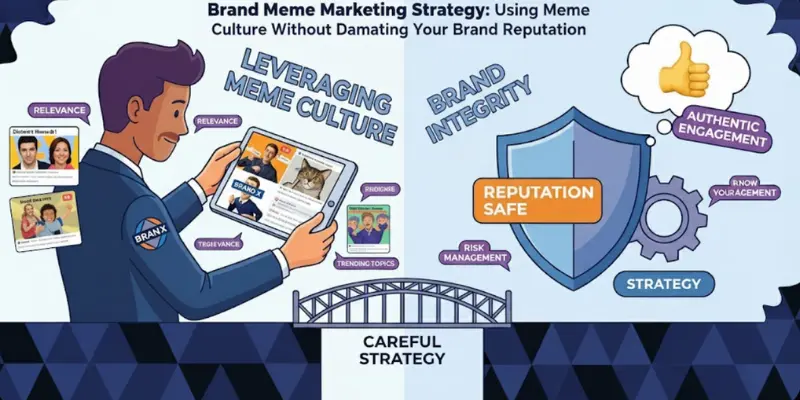
Memes feel like the fastest way to look relevant online, and that is exactly why brands rush toward them. One viral meme can bring massive reach, likes, and conversations in minutes. But the same meme can also damage trust, offend audiences, or make a brand look desperate. A strong brand meme marketing strategy is not about being funny first, it is about being smart first. This guide will help you understand how to use meme culture without hurting your brand reputation.
Memes are powerful tools when used with intent, timing, and awareness. Many brands fail because they copy trends without context. Others succeed because they respect internet culture and their audience. In this blog, you will learn when meme marketing for brands works, when it fails, and what to do instead. The goal is simple: grow visibility without sacrificing credibility.
Why Brands Are Obsessed With Meme Marketing
Brands chase memes because memes feel like shortcuts to attention. They spread fast, cost little, and promise viral results. Social media algorithms also reward engagement-heavy content like memes. This creates pressure on brands to join every trend they see. Many believe memes are the easiest way to stay relevant online.
The problem is that attention does not always equal trust or sales. Meme marketing for brands works only when it aligns with brand values. Random humor can confuse audiences and weaken brand positioning. A rushed meme can trigger backlash instead of praise. Without a clear brand meme marketing strategy, memes become risky.
When Memes Become an Identity Crutch
Some brands start using memes so often that humor replaces identity. Their tone becomes borrowed instead of owned. Over time, audiences remember the jokes but forget what the brand actually offers. This weakens long-term brand recall. Memes should support identity, not replace it.
Strong brands use memes as seasoning, not the main dish. They know when to joke and when to stay serious. Their content still reflects a clear value proposition. This balance protects brand reputation on social media. Consistency always beats chaos in branding.
High vs Low Fit Brands
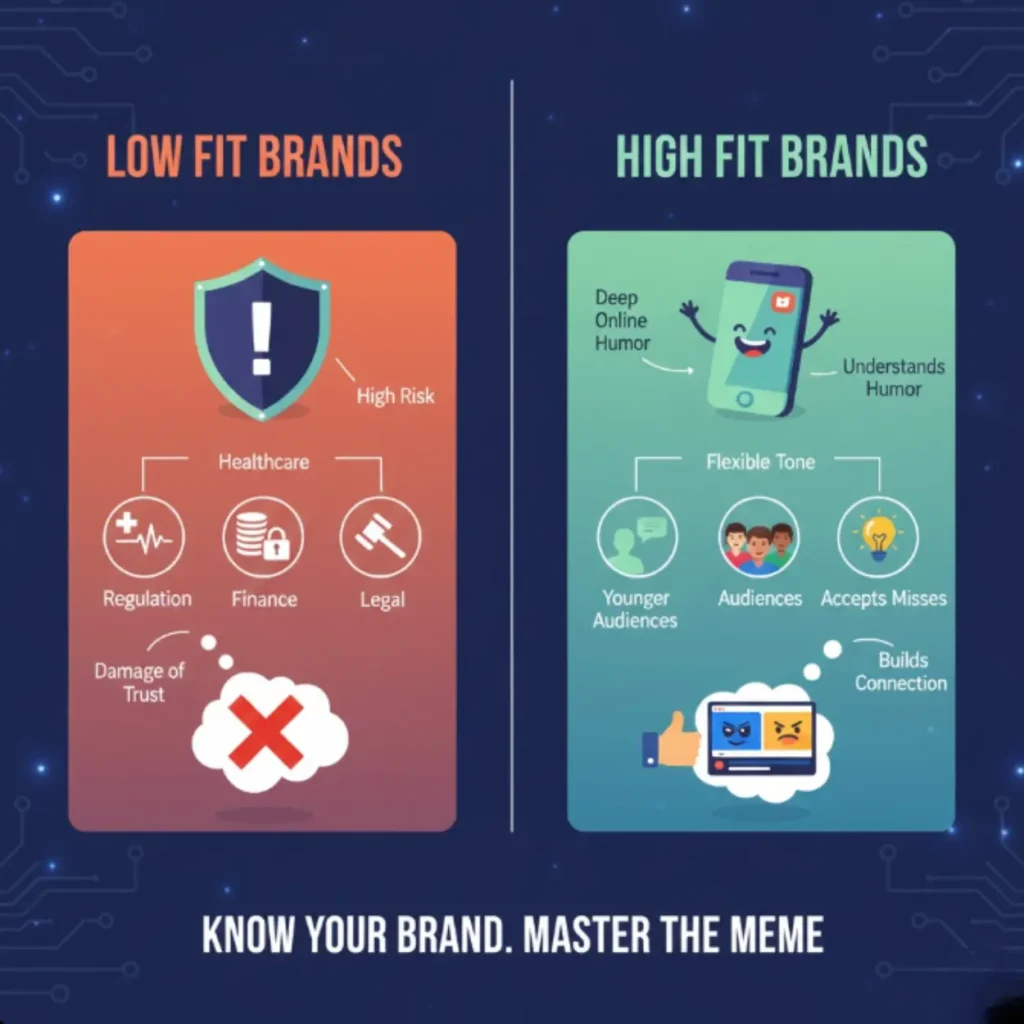
Not every brand is built for meme marketing. Some industries face higher risks due to regulation or sensitivity. Healthcare, finance, and legal brands must be extra careful. One wrong meme can damage years of trust. Understanding brand fit is essential before posting.
Brands that succeed with memes usually have flexible tones and younger audiences. They understand online humor deeply. They also accept that not every meme will land. A brand meme marketing strategy starts with knowing your limits.
The Brand Meme Fit Framework
Before using memes, brands should assess fit using clear factors. These include audience age, cultural awareness, and risk tolerance. Brands should also evaluate how fast they can respond online. Slow brands struggle in fast meme cycles.
Brand–Meme Fit Table:
| Factor | High Fit Brands | Low Fit Brands |
| Audience Age | Gen Z, Millennials | Older, conservative audiences |
| Industry Risk | Retail, food, fashion | Finance, healthcare, legal |
| Brand Voice | Casual, playful | Formal, authoritative |
| Approval Speed | Fast | Slow |
Brand Archetypes That Can Handle Memes
Challenger brands often perform well with meme marketing. They use humor to disrupt industries. Youth-focused brands also benefit from meme culture. Their audiences expect casual and playful content.
On the other hand, authority-driven brands must be cautious. Their value comes from trust and reliability. Overuse of memes can reduce perceived professionalism. Balance is key for brand safe meme marketing.
Why “Our Intern Gets Memes” Is Not a Strategy
Understanding memes personally is not enough. Brand messaging requires strategy, not vibes. Intern-led meme posting without guidance increases risk. One post can undo months of brand work.
Memes should be reviewed with brand goals in mind. Humor must align with tone and values. Clear governance protects brands from social media mistakes. Strategy always beats impulse.
Late Reactions Hurt Credibility
Memes move at internet speed, not corporate speed. What trends in the morning can feel outdated by evening. Brands with slow approvals often miss the moment entirely. This makes content feel forced instead of fresh. Timing is a core pillar of brand meme marketing strategy.
Brands must plan for speed before trends appear. Pre-approved tone guides help teams move faster. Real-time monitoring also matters. Fast reactions protect relevance. Slow brands lose credibility.
Timing Challenges
Memes have very short lifespans. What is funny today feels outdated tomorrow. Brands often react too late due to slow approvals. By the time content goes live, the moment is gone.
Late memes make brands look disconnected. Audiences notice when humor feels forced. This hurts credibility instead of building it. Timing is a critical part of meme marketing strategy.
Approval Bottlenecks
Corporate approval chains slow everything down. Memes die while waiting for feedback. Multiple stakeholders dilute humor. This removes the original impact.
Brands need flexible guidelines, not rigid controls. Pre-approved meme rules work better than post approvals. Fast decisions protect relevance. Speed supports safe creativity.
Why Meme Marketing Often Backfires for Big Brands
Large brands carry higher expectations. Audiences scrutinize their humor more closely. A joke that works for startups may offend when used by corporates. Power dynamics matter in meme culture.
Big brands must balance humor with responsibility. Internet users punch up, not down. When brands ignore this rule, backlash follows. Brand reputation on social media suffers fast. Awareness reduces risk.
Meme Marketing Failures Brands Should Learn From
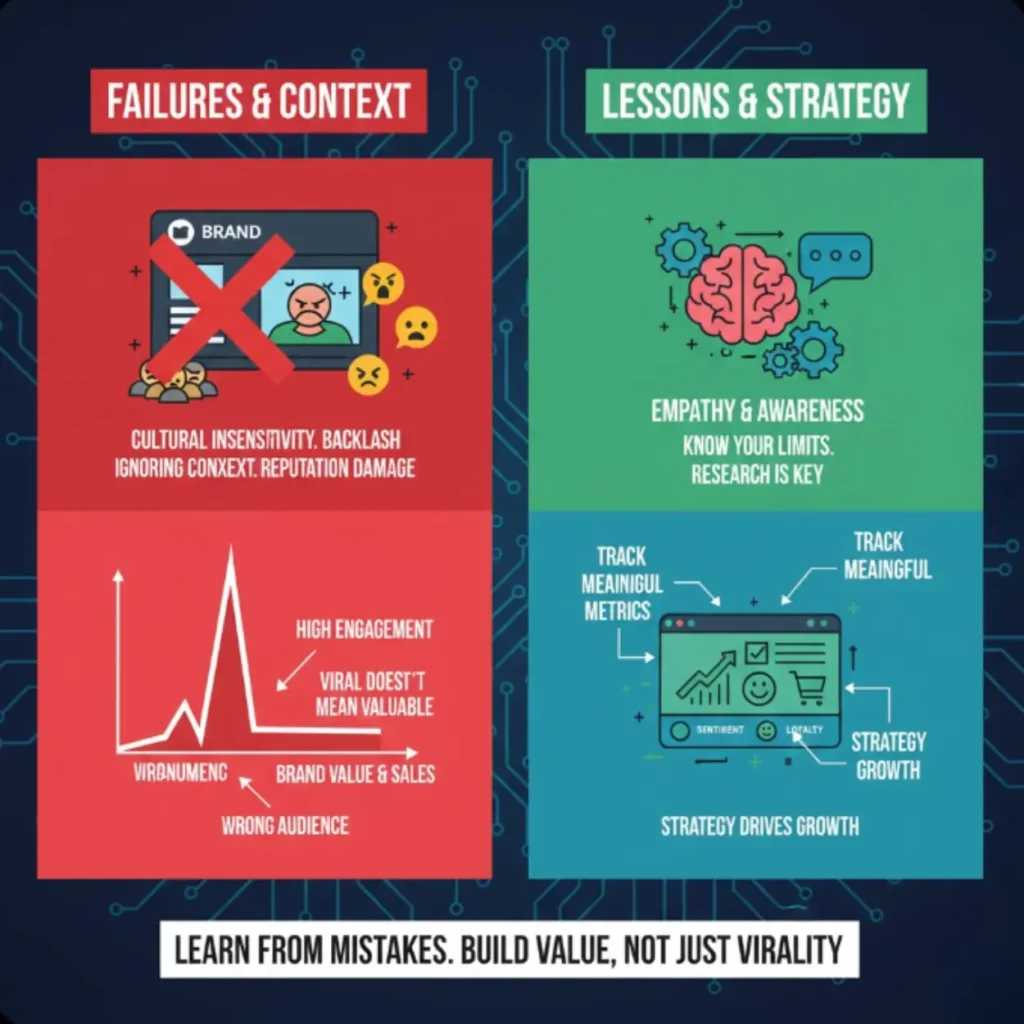
Many famous brands have failed publicly with memes. These failures offer valuable lessons. They show how humor can cross lines quickly. Learning from mistakes is cheaper than repeating them.
Meme marketing gone wrong often stems from ignoring context. Cultural sensitivity matters online. Jokes without awareness cause backlash. Brand reputation suffers instantly.
Why High Engagement Does Not Equal Brand Value
Likes and shares feel rewarding. But they do not always drive sales or loyalty. Viral content can attract the wrong audience. This creates noise instead of growth.
Brands should track meaningful metrics. These include sentiment, conversions, and retention. Viral is not always valuable. Strategy defines success.
How Meme Marketing Impacts Long-Term Brand Trust
Trust is built slowly and lost quickly. Memes can strengthen trust when they feel authentic. They can destroy trust when they feel opportunistic. Long-term brand value matters more than short-term laughs.
A strong brand meme marketing strategy protects trust first. Humor should never override respect. Brands must ask if content adds value. If not, skip the meme. Trust always compounds.
Should Your Brand Use Memes? A Reality Check
Before posting memes, brands must ask hard questions. Does this align with our values? Can we handle backlash if it happens? Do we understand the culture we are referencing?
A brand meme marketing strategy starts with honesty. Not every trend deserves participation. Sometimes silence protects reputation better than jokes. Awareness is power.
The Brand Meme Sanity Checklist
Use this checklist before posting:
- Is the meme culturally safe?
- Does it fit our tone?
- Can we respond to comments?
- Does it support business goals?
If any answer is no, pause. Memes are optional, reputation is not.
When Not Using Memes Is the Smarter Strategy
There are moments when silence performs better than humor. During crises, sensitive events, or social issues, memes feel inappropriate. Brands that pause show maturity and awareness. This protects long-term trust.
Knowing when not to meme is part of brand safety. Strategic restraint signals confidence. Not every trend needs participation. Reputation should always come first.
Brand-Safe Alternatives to Meme Marketing
Memes are not the only way to be engaging. Many brands grow without using them. Humor can exist without trends. Creativity does not require templates.
Brand safe meme marketing includes knowing when not to meme. Alternatives often feel more authentic. They reduce risk and increase trust. Smart brands explore options.
Effective Alternatives
- Observational humor
- Reply-based engagement
- Creator collaborations
- Controlled satire
- Native brand storytelling
These methods build personality without copying internet jokes.
Best Practices for a Brand Meme Marketing Strategy
Successful meme marketing follows rules. Brands study their audience deeply. They respect cultural boundaries. They post with intention, not panic. Consistency matters more than frequency.
Best practices protect brand reputation while allowing creativity. Memes should feel natural, not forced. Measurement should focus on impact, not hype. Strategy ensures sustainability.
Best Practices Table
| Best Practice | Why It Matters |
| Understand audience context | Prevents backlash |
| Limit meme frequency | Avoids brand dilution |
| Use brand tone guide | Keeps voice consistent |
| Monitor sentiment | Protects reputation |
| Track conversions | Measures real value |
Copyright, Fair Use, and Meme Ownership Explained
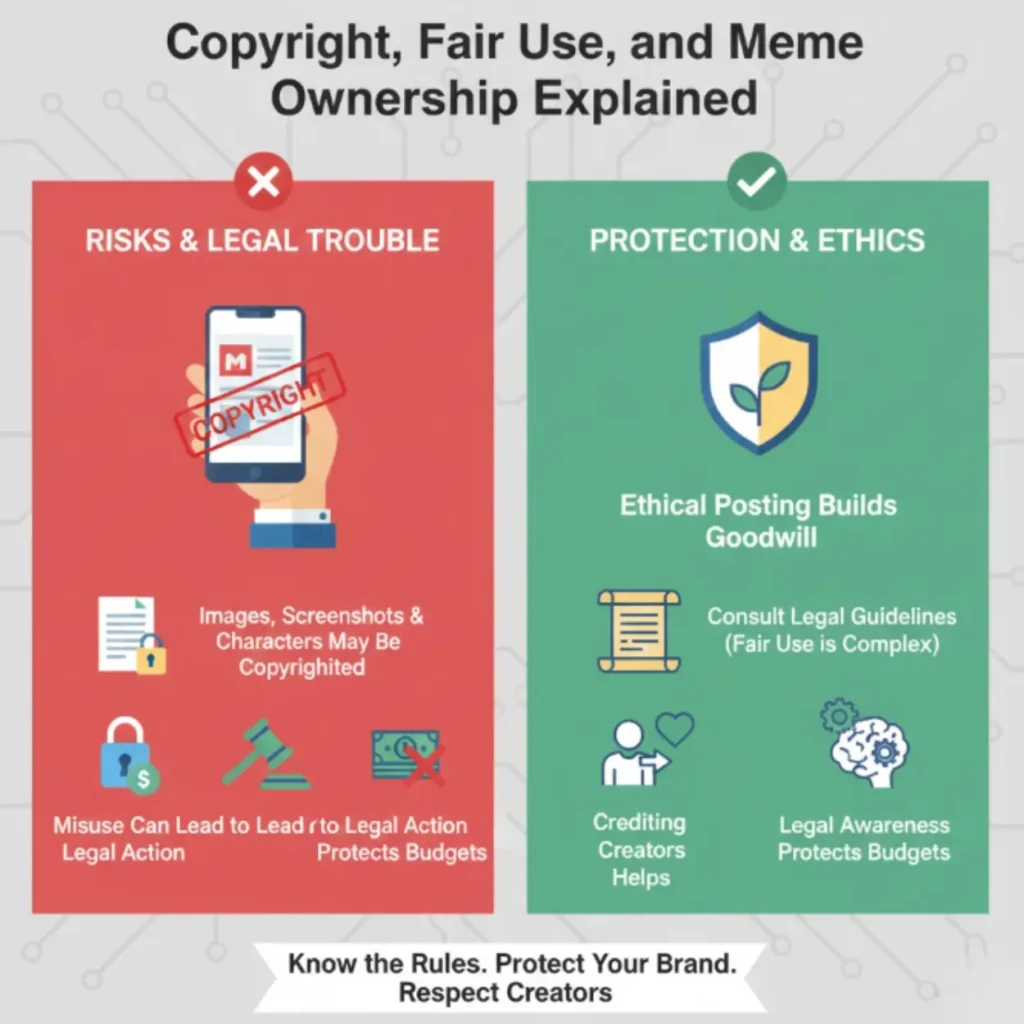
Many brands assume memes are free to use. This is not always true. Images, screenshots, and characters may be copyrighted. Misuse can lead to legal trouble.
Brands should consult legal guidelines before posting. Fair use is complex and situational. Crediting creators helps but is not always enough. Ethical posting builds goodwill. Legal awareness protects budgets.
Legal and Ethical Considerations in Meme Marketing
Memes often use copyrighted images. This creates legal risks. Brands must understand usage rights. Ignoring this can lead to penalties.
Ethical considerations matter just as much. Avoid sensitive topics and stereotypes. Respect communities and cultures. Brand safety builds long-term trust.
How to Measure Meme Marketing Success
Metrics matter more than likes. Brands should track sentiment to see audience reaction. Engagement is important, but conversion is critical. Monitoring trends helps adjust strategy in real-time. Data-driven insights improve brand meme marketing strategy. Tracking KPIs like share rate, comment sentiment, and click-through ensures campaigns are effective and safe.
Tools and Platforms for Safe Meme Marketing
Several tools help schedule and monitor memes. Social media management software ensures timing is right. Analytics platforms measure performance and engagement. Listening tools identify potential backlash early. These tools support safer brand meme marketing strategies. Using AI-powered moderation and trend tracking reduces the risk of posting harmful content.
Engaging Your Audience Without Risk
Humor can be subtle yet effective. Polls, quizzes, and observational posts engage audiences. Using community feedback strengthens connection. Controlled interactions prevent mistakes. Engagement without memes builds trust and personality. This approach encourages participation without compromising brand safety or credibility.
Training Your Team for Meme Marketing
Everyone on the team must understand brand voice. Training prevents accidental offensive posts. Clear guidelines make approval faster. Teams should recognize trending content appropriately. Education supports a strong brand meme marketing strategy. Continuous workshops and scenario-based exercises help teams make safe, creative decisions.
Integrating Meme Marketing With Overall Brand Strategy
Memes should complement marketing, not dominate it. Align meme campaigns with broader messaging. Cross-channel coordination amplifies effectiveness. Integration ensures consistency across platforms. A holistic approach strengthens brand presence and reputation. Clear alignment with company goals ensures meme content enhances rather than distracts from the overall strategy.
Creating a Meme Calendar for Consistency
Planning content in advance keeps posting organized. A meme calendar ensures regular engagement without chaos. It also allows for timely reactions to trends. Structured scheduling reduces the risk of mistakes. Calendars support a disciplined brand meme marketing strategy. Reviewing performance monthly helps refine future posts and maintain relevance.
Monitoring Competitors’ Meme Strategies
Understanding competitors helps brands stay relevant. Observing successful campaigns provides insights. Learning from others’ mistakes avoids similar pitfalls. Benchmarking allows for strategic creativity. Competitor analysis strengthens brand meme marketing strategy. It ensures that your content stands out while remaining safe and effective.
Incorporating Feedback Loops
Audience reactions should inform future campaigns. Collecting comments and survey responses guides improvements. Feedback loops identify what works and what fails. This ensures content remains culturally relevant and safe. Continuous iteration refines the brand meme marketing strategy. Regular reviews prevent repetitive or ineffective posts.
Crisis Management in Meme Marketing
Not all memes land as intended. Having a plan for backlash is essential. Quick, thoughtful responses mitigate damage. Communicating transparently maintains trust. Crisis protocols protect brand reputation. Including these steps in your brand meme marketing strategy ensures readiness for unexpected issues.
Future Trends in Meme Marketing
Memes evolve with culture and technology. Staying ahead requires awareness of emerging formats. New platforms offer different opportunities and challenges. Predicting trends helps brands innovate safely. Forward-looking strategies strengthen brand meme marketing strategy. Being proactive ensures long-term engagement and relevance in the social media landscape.
Ready to Turn Strategy Into Results with Mugenz?
Whether you’re transforming healthcare experiences, scaling real estate growth, or driving impact for NGOs, Mugenz delivers smart digital solutions built for your sector.
Custom strategies
Conversion-focused execution
Brand-safe, future-ready growth
Explore our services, get in touch, or sign up for updates and see how Mugenz helps your brand grow with clarity, credibility, and impact.
Conclusion
Memes can amplify visibility, but they can also damage trust if used carelessly. A clear brand meme marketing strategy helps brands decide when humor supports growth and when it creates risk. The smartest brands treat memes as a tactical tool, not a personality replacement. They focus on timing, audience understanding, and cultural awareness. When strategy leads and trends follow, meme marketing for brands becomes safer and more effective. In the end, protecting brand reputation should always matter more than chasing viral moments.
FAQs
Is meme marketing good for all brands?
No, meme marketing for brands depends on industry, audience, and risk tolerance.
How can brands avoid backlash from memes?
Use cultural awareness, clear guidelines, and fast response systems.
Do memes help with sales?
They help awareness, but sales depend on strategy and follow-up.
What is brand safe meme marketing?
It is using humor that aligns with brand values without offending audiences.
Are memes necessary for social media growth?
No, many brands grow using alternative engagement strategies.