In today’s digital-first world, businesses cannot afford to overlook the importance of social media. Picking the best social media channels for brand success is no longer optional it’s a must. The right platforms help you reach your ideal customers, increase brand awareness, and build lasting connections. But how do you decide where to concentrate when there are so many options? This guide will walk you through practical steps, insights, and tools to make smart choices for your brand.
Choosing wisely means aligning social channels with your goals, audience, and content style. Some brands thrive on LinkedIn while others dominate Instagram or TikTok. The decision should not be based on trends alone but on strategy. Your audience’s behavior, your competitors’ presence, and your resources all play a role. Let’s explore how to make these decisions effectively.
What Are Your Social Media Strategy Objectives?

Your social media strategy starts with defining objectives. Do you want to raise awareness, generate leads, or build a loyal community? Each goal requires a different platform and approach. For example, Instagram is strong for awareness while LinkedIn works well for professional networking. When you set clear goals, your path becomes easier to follow.
Common Goals to Aim For
Here are some common objectives to consider:
- Increase brand awareness through visual storytelling.
- Enhance lead generation with targeted campaigns.
- Drive website traffic using shareable links.
- Boost audience engagement through interactive posts.
- Build a community that values your brand message.
Matching Goals with Platforms
By matching each goal to a platform, you ensure efficiency. For instance, Facebook Ads can drive conversions while YouTube strengthens authority. Defining objectives early also helps track success. Without clear goals, measuring ROI becomes difficult. Remember: clarity fuels growth.
Why Objectives Matter for Success
Clear objectives allow you to measure performance and make better decisions. They help you choose the best social media channels for brand growth. They also prevent wasting time and resources on platforms that don’t fit your needs. When your objectives align with your brand values, you build stronger connections. Ultimately, objectives are the foundation of a successful social media strategy.
What Channels Is Your Target Audience Using?

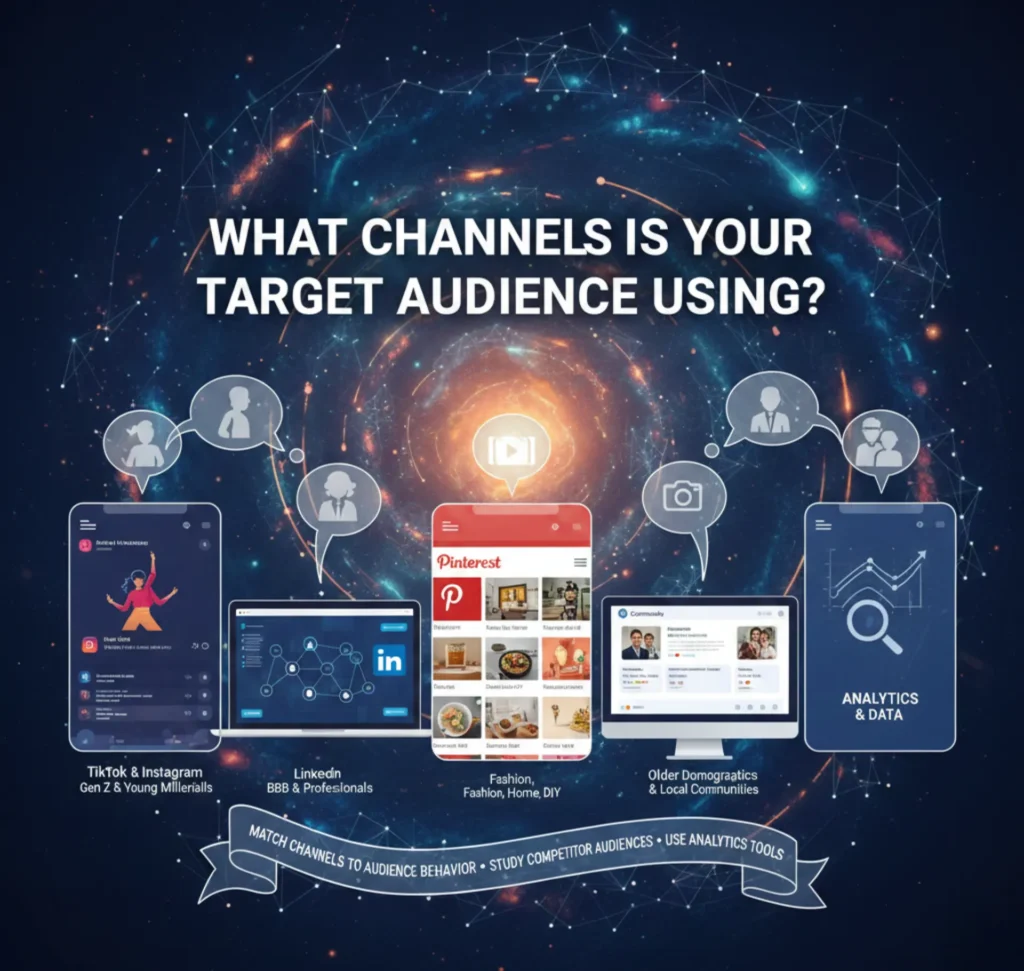
Knowing where your audience spends time online is key to choosing the best social media channels for brand growth. If your ideal customers scroll TikTok daily but you focus on Twitter, you lose visibility. Start with basic audience research using social media insights and customer data. Pay attention to age, location, interests, and online behavior. This approach helps you connect with people on platforms they already trust.
Different Platform Preferences
Different user types are drawn to different social media platforms. Gen Z and younger millennials prefer TikTok and Instagram for short, visual content. LinkedIn is more active among B2B and professional audiences. Pinterest attracts users interested in fashion, home décor, food, and DIY ideas. Facebook continues to perform well among older demographics and local communities.
Match Channels to Audience Behavior
Choosing platforms that match how your audience behaves saves time and boosts results. Some users prefer watching videos, while others enjoy reading posts or scrolling images. When your content fits platform habits, engagement increases naturally. This ensures your efforts create real impact instead of wasted reach.
Study Competitor Audiences
Your competitors can reveal valuable clues about audience behavior. If they gain strong engagement on a specific platform, your audience may be there too. Observe how their followers interact with content. This insight helps you make smarter platform decisions.
Use Analytics Tools
Analytics tools remove guesswork from decision-making. Google Analytics shows traffic sources, while Facebook and LinkedIn Insights reveal audience activity. These tools highlight where your content performs best. Using data ensures your social media strategy stays focused and effective.
What Channels Are Your Competitors Using?
Studying your competitors is one of the smartest ways to shape your social media strategy. When you see competitors performing well on a platform, it signals strong audience interest. Analyze the type of content they share, how often they post, and how users respond. In some cases, competing on the same channel makes sense. In others, choosing a less crowded platform can deliver better ROI with less effort.
Use Analytics Tools for Competitor Research
Competitor research becomes easier with tools like SEMrush and BuzzSumo. These platforms reveal which posts perform best and where engagement is highest. You can track posting frequency, audience reactions, and campaign trends. This data helps you avoid guesswork and focus on proven tactics. Learning from others saves time and sharpens your strategy.
Identify Competitor Content Strengths
Pay close attention to the content formats your competitors use successfully. High-performing videos, blogs, or infographics reveal what your audience enjoys most. Their success can guide your content planning without copying directly. Use these insights to create better, more valuable content. Strong content choices improve reach and engagement.
Learn from Competitor Engagement Tactics
Engagement style matters as much as content. Notice how competitors reply to comments, run polls, or host live sessions. Fast responses and interactive posts often drive higher loyalty. Adapting these tactics helps humanize your brand. Smart engagement builds stronger relationships with your audience.
What Kind of Content Are You Looking to Produce?
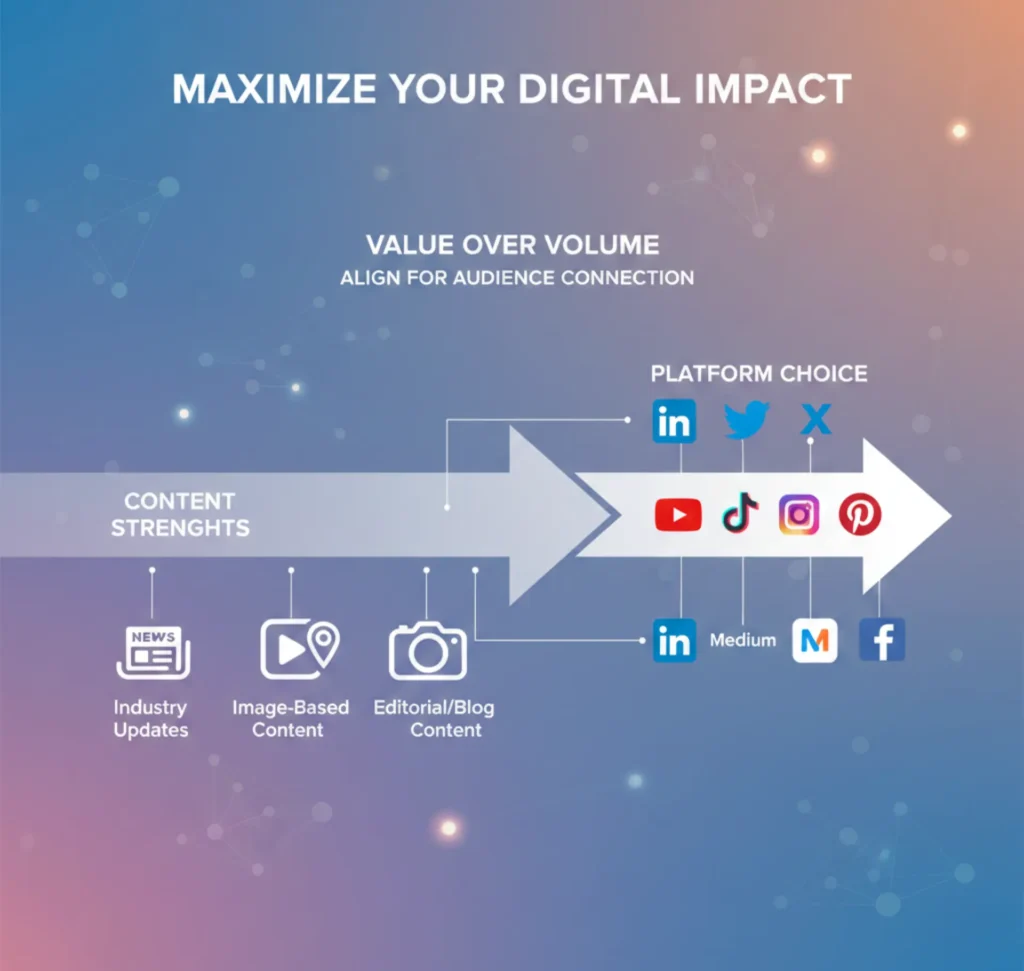
Your content style heavily influences platform choice. Some brands excel at short videos, while others shine with blogs or infographics. If you love visuals, Instagram, Pinterest, and TikTok may be perfect. For B2B reports and whitepapers, LinkedIn works best. Choosing platforms based on your content strengths maximizes impact.
Types of content to consider:
- Industry updates and company news (LinkedIn, Twitter/X)
- Video content (YouTube, TikTok, Instagram Reels)
- Image-based content (Instagram, Pinterest)
- Editorial/blog content (LinkedIn, Medium, Facebook)
It’s not necessary for every brand to appear on every platform. Spreading too thin reduces quality. Instead, align your strongest content type with the channel that supports it best. This ensures consistency and audience connection. Focus on value over volume.
How Many Channels Should You Manage?
One common mistake is trying to manage too many platforms. A business with limited resources should focus on two or three. Quality usually wins out over quantity when it comes to social media. Consistency across fewer channels builds trust faster. If you try to do everything, you risk burnout and diluted results.
A good strategy involves starting small and scaling later. Master one platform before expanding. This allows you to refine your approach and build a strong base. Once your team is comfortable, explore new channels. Controlled growth leads to better performance.
Social Media Benchmarks & Insights for 2026
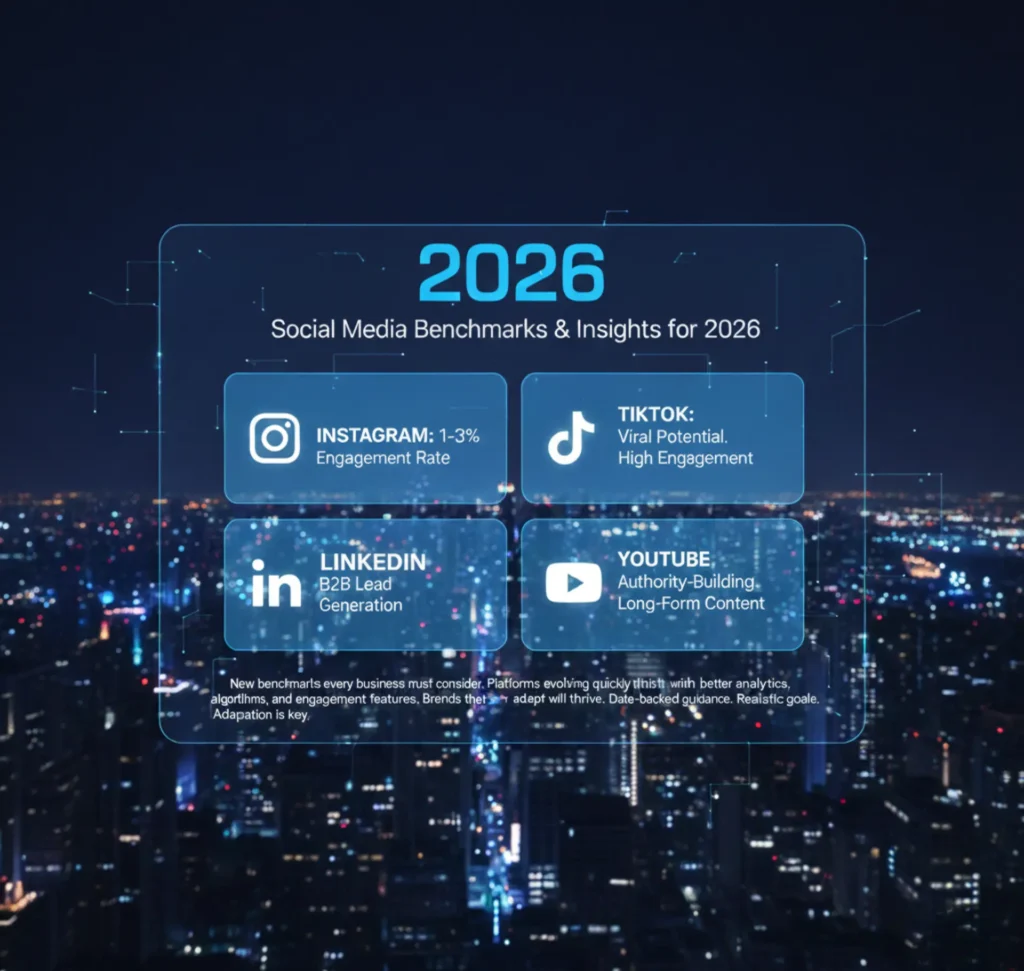
The year 2026 brings new benchmarks every business must consider. Social platforms are evolving quickly with better analytics, algorithms, and engagement features. Brands that adapt to these changes will thrive. Benchmarks give you data-backed guidance on performance expectations. For example, average engagement rates differ across channels.
Here are sample benchmarks to guide you:
- Instagram: 1–3% engagement rate is strong.
- TikTok: Viral potential with high engagement per post.
- LinkedIn: Best for B2B lead generation.
- YouTube: Strong authority-building with long-form content.
These insights help set realistic goals. If you know the average, you can aim higher. Keeping abreast of trends guarantees the competitiveness of your brand. Adaptation is the key to success in social media.
Social Media AI: What to Anticipate in 2026

Artificial Intelligence is reshaping how brands use social media. From chatbots to personalized recommendations, AI makes marketing smarter. In 2026, expect more AI-driven analytics, content suggestions, and predictive targeting. Businesses that adopt AI early will enjoy efficiency and deeper insights. Ignoring AI means falling behind competitors.
Personalized Customer Experiences
Consumers also expect personalized experiences. AI can suggest posts based on browsing history or purchase behavior. It can also improve ad targeting and reduce costs. With AI, brands can create stronger emotional connections. Those that blend creativity and technology will rule the future.
Smarter Ad Targeting
AI enables marketers to target the correct audience with adverts at the right moment. Predictive algorithms analyze user behavior to increase ad performance. This reduces wasted spend and improves ROI. Marketers can now run campaigns with precision. Smarter targeting equals better results.
AI-Driven Content Creation
Artificial Intelligence tools can generate post ideas, captions, and even graphics. This saves time and helps marketers focus on strategy. While human creativity is still vital, AI makes production faster. Using these tools gives brands a competitive advantage. Automation supports consistency without lowering quality.
Predictive Analytics for Better Strategy
AI allows businesses to forecast trends and customer behavior. Predictive insights help marketers make proactive decisions. Instead of reacting, brands can plan campaigns ahead of time. This increases efficiency and reduces risks. Data-driven planning leads to stronger outcomes.
Three Steps You Can Take Today
Building a successful social media presence doesn’t have to wait. You can start with three simple steps today. First, define your brand’s voice and audience clearly. Second, select two platforms that align with your goals. Third, create a weekly content calendar to stay consistent.
Step 1: Define a Clear Brand Voice
A clear voice makes your brand recognizable. It shows consistency in tone, messaging, and personality. This helps build trust with your audience. A strong voice also makes your content stand out in a crowded feed. Without it, your brand may appear confusing or forgettable.
Step 2: Focus on the Right Platforms
Focused platforms save energy and boost results. Instead of spreading thin across all networks, concentrate where your audience is most active. This ensures better engagement and stronger connections. Choosing wisely helps you create tailored content. It also allows you to invest resources more effectively.
Step 3: Stay Consistent with a Content Calendar
A content calendar keeps you accountable. It ensures you publish regularly without missing key dates. Consistency builds reliability and audience loyalty. With planning, you can mix posts for engagement, education, and promotion. Taking these steps today lays the foundation for long-term success.
Table: Best Social Media Channels by Business Goal
| Business Goal | Best Platforms | Why It Works |
| Brand Awareness | Facebook, Instagram, TikTok | Wide reach, strong visual storytelling |
| Lead Generation | LinkedIn, Facebook Ads, Instagram Ads | Precise targeting & B2B/B2C funnels |
| Drive Website Traffic | Pinterest, Twitter/X, LinkedIn | Link-friendly formats |
| Customer Engagement | Instagram, TikTok, Facebook Groups | High interaction rates, community building |
| Authority & Thought Leadership | LinkedIn, YouTube, Blogs | Long-form, professional, educational content |
Measure Success with Analytics
Tracking your progress is key to improving social media results. You may learn what works and what doesn’t with the use of analytics. By monitoring engagement, clicks, and conversions, you can adjust your strategy. Make use of resources such as third-party apps, native platform information, and Google Analytics. Regular reviews keep your brand moving in the right direction.
Balance Organic and Paid Strategies
Relying only on organic reach can slow growth. Paid ads amplify your content to reach a wider audience. A mix of organic and paid ensures both credibility and visibility. Small, targeted ad campaigns can deliver big results when planned well. Balancing both approaches creates a sustainable social media presence.
Stay Ahead with Trends and Innovation
Social media evolves quickly, and brands must keep up. Following trends helps you connect with your audience in fresh ways. Experimenting with new features like Reels, Stories, or AI-powered tools gives you an edge. Staying flexible ensures your brand never feels outdated. Innovation is the secret to long-term success.
Mugenz’s Innovative Approach
Mugenz is transforming industries with its innovative use of technology. In healthcare, Mugenz develops solutions that enhance patient engagement, streamline processes, and improve data management. For NGOs, Mugenz builds tools that maximize impact, track donor contributions, and spread awareness effectively. In real estate, Mugenz offers smart digital tools for property management, customer engagement, and lead generation. These applications show how Mugenz bridges technology with human needs.
Their approach can also be applied to social media branding. By combining analytics, automation, and creativity, Mugenz helps businesses optimize digital presence. Whether you are a healthcare provider, a nonprofit, or a real estate developer, Mugenz tailors strategies to fit your audience. This ensures that your brand reaches the right people on the right channels. Innovation fuels results.
Conclusion
Choosing the best social media channels for brand growth is not about being everywhere, but about being where it matters most. When you align your goals, audience behavior, and content style with the right platforms, your efforts become more effective and measurable. Studying competitors, using analytics, and staying updated with trends helps you make smarter decisions. Consistency and focus turn social media from a task into a growth engine. With the right strategy and Mugenz’s innovative, data-driven solutions, your brand can build stronger connections and achieve long-term success across digital channels.
FAQs
Q1: How do I choose the best social media channels for my brand?
Start by identifying your goals, researching your audience, and analyzing competitors. Then pick platforms where your content style fits best.
Q2: Which social media platform is best for B2B?
LinkedIn is the most effective platform for B2B, but YouTube and Twitter/X also support thought leadership.
Q3: Should small businesses use all social platforms?
No, focus on 2–3 platforms you can manage consistently. Quality beats quantity every time.
Q4: What is the role of AI in social media marketing?
AI improves targeting, personalization, and campaign analytics, making marketing smarter and more effective.
Q5: Can Mugenz help with social media strategies?
Yes, Mugenz applies its innovative technology solutions to social media, helping brands in healthcare, NGOs, and real estate achieve growth.