In today’s world, your brand lives where your audience spends most of their time online. Whether you’re a small business owner, a nonprofit organization, or a real estate professional, the digital space has become the first place people go to discover, evaluate, and interact with brands. Your online presence is no longer just an extension of your business it is your business in many ways. Online Brand Building goes far beyond having a website or posting occasionally on social media. It’s about creating a strong digital identity that reflects your values, showcases your expertise, and builds trust with the people you want to serve.
A powerful online brand helps you communicate who you are, what you offer, and why people should choose you over competitors. It allows you to create emotional connections through stories, visuals, content, and experiences that feel real and relatable. Today’s users want authenticity, transparency, and consistency and they reward brands that deliver these qualities. In this guide, you’ll learn proven strategies for building a strong, memorable online brand in the digital age. You’ll discover how to understand your audience, strengthen your brand identity, choose the right platforms, and create digital experiences that inspire trust and action. Whether you’re starting from scratch or improving what you already have, this guide will help you stand out, grow, and succeed in the ever-changing digital world.
Understanding the Digital Landscape
The digital landscape isn’t just evolving it’s expanding at a pace that demands attention. New platforms, search behaviors, and content formats emerge constantly, influencing how audiences interact with brands. Online Brand Building thrives when you monitor these shifts and adjust your strategy. For example, short-form video, voice search, and AI-driven personalization are shaping how users consume content today. Brands that stay adaptable gain an edge over those stuck in old habits. The key is to treat digital change not as a challenge, but as an opportunity to show up smarter, faster, and more creatively than before.
Adapting to Evolving Consumer Behaviors
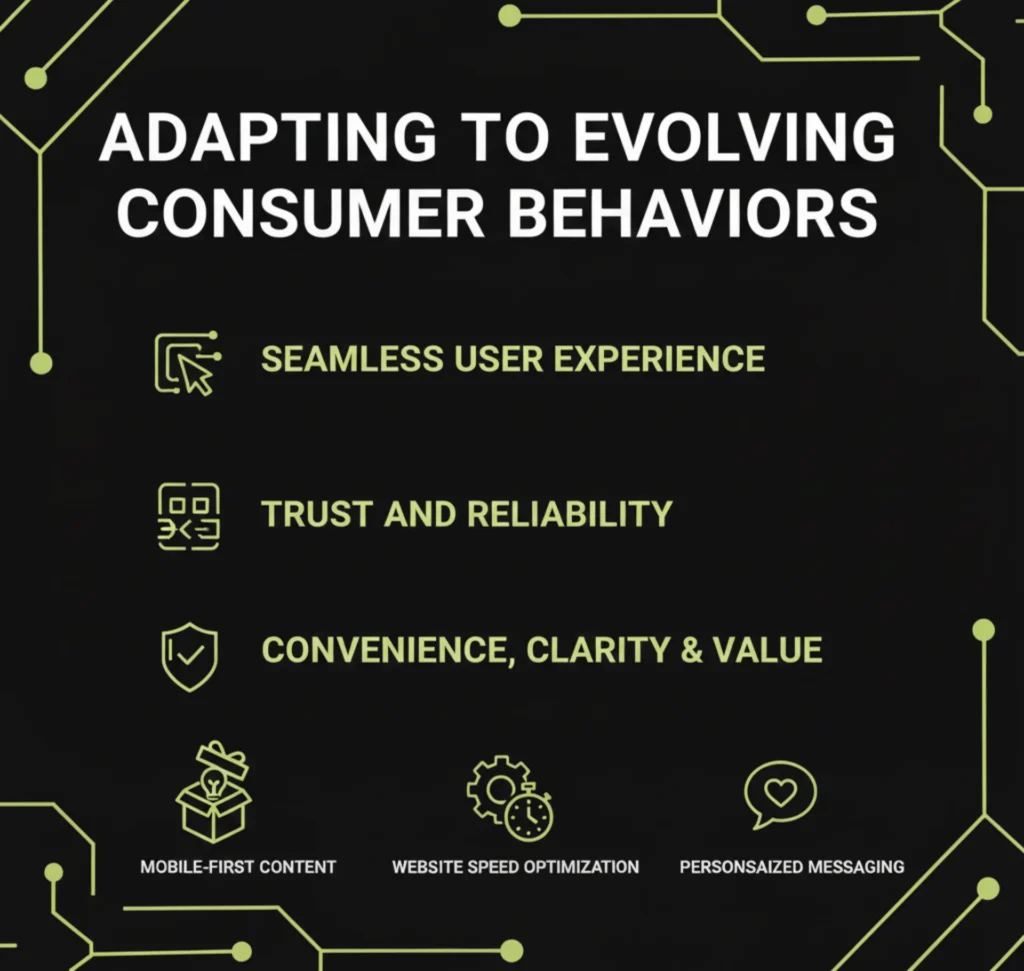
Customers today expect more than information they expect experiences. They want seamless navigation, personalized recommendations, and quick responses across all online touchpoints. Online Brand Building must reflect this shift by putting user experience at the heart of every strategy. Brands that optimize their website speed, create mobile-first content, and use personalized messaging see stronger engagement. In industries like healthcare, NGOs, and real estate, trust is crucial. Meeting digital expectations communicates professionalism and reliability. When your brand delivers convenience, clarity, and value, users are more likely to return, recommend, and convert.
Using Data to Guide Brand Decisions
Data allows you to understand not just what your audience does but why they do it. It reveals patterns that help you refine your content, improve your offers, and create targeted experiences. Online Brand Building becomes more strategic when decisions are driven by real numbers instead of guesswork. Track which pages keep visitors the longest, which emails get the most clicks, and which posts spark meaningful conversations. Use A/B testing to compare designs, headlines, or CTAs. Over time, small data-backed improvements lead to massive brand growth. When you let analytics shape your direction, your digital presence becomes sharper, smarter, and more effective.
Creating a Memorable Brand Identity
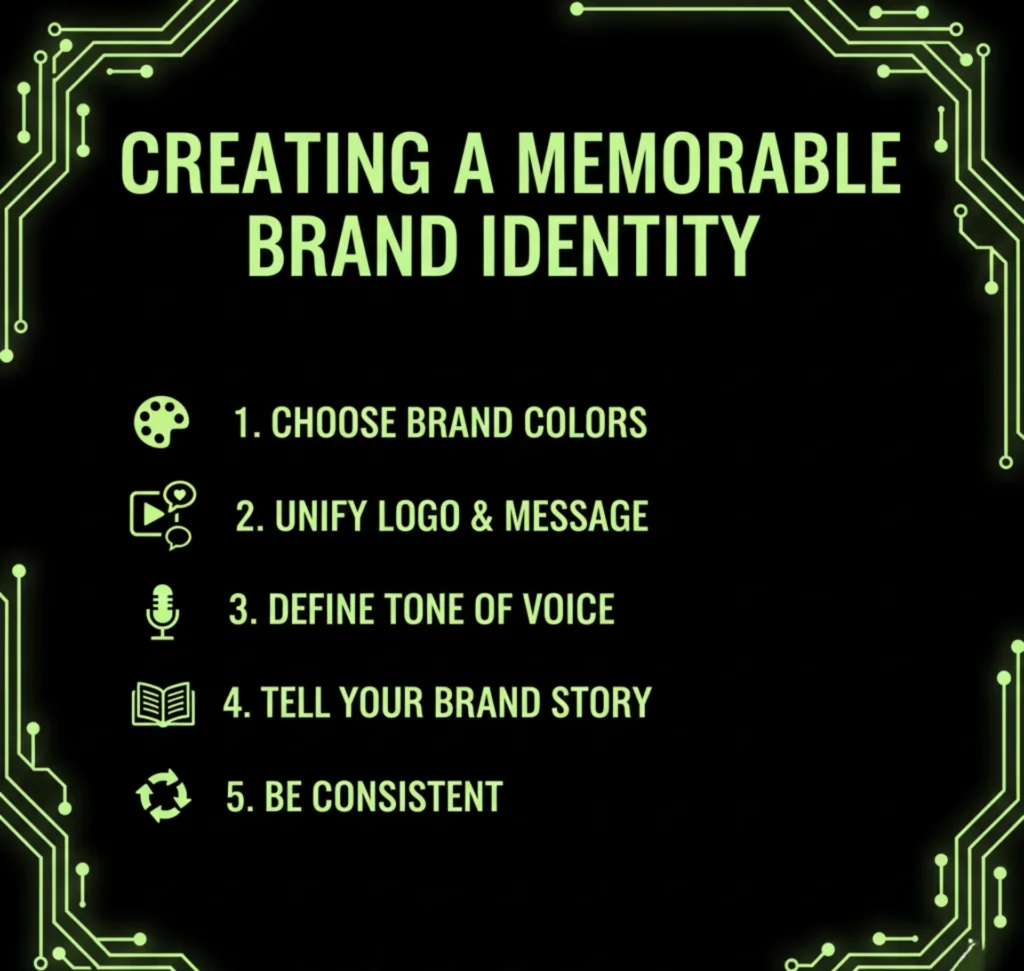
Individuals remember how you made them feel, not what you sold them. That’s why a clear brand identity is the backbone of Online Brand Building. It includes your logo, colors, voice, and message. Continuity on all platforms fosters confidence and recognition. Without it, your brand might seem disorganized or unclear.
To create a strong brand identity:
- Choose colors that reflect your brand values
- Utilize the same phrase and logo on all platforms.
- Define your tone of voice (friendly, formal, bold)
- Tell your brand story
- Be consistent in your visuals and messaging
This identity should resonate with your audience emotionally and visually. It helps them remember you and choose you over others.
Aligning Brand Identity with Audience Expectations
Your brand identity must not only reflect who you are but also speak to what your audience cares about. A healthcare brand might focus on trust and compassion, while a real estate company could emphasize expertise and reliability. NGOs often benefit from visuals and messaging that highlight purpose and impact. When your audience sees themselves in your branding, they feel a deeper connection. Conduct surveys, analyze feedback, and observe engagement to ensure your identity resonates. Aligning your look, voice, and values with audience expectations strengthens your Online Brand Building and encourages loyalty from the very first impression.
Developing a Strong Digital Presence
If your brand isn’t online, it might as well not exist. A strong digital presence means you are visible, accessible, and active in the digital space. This covers your blog, email marketing, social media accounts, and website. Each channel must work together to promote a clear and unified message. Your brand must show up where your audience spends their time.
Start with a professional, mobile-friendly website. Make sure it loads fast, includes your story, services, and contact info. Use SEO practices to help your site appear in search results. Post regularly on social platforms your audience uses. Email marketing helps you stay connected and nurture leads.
Integrating Content Across All Channels
To build a powerful digital presence, your content must work seamlessly across all platforms. Repurpose blog posts into social media captions, turn testimonials into visual quotes, and share updates through email newsletters. This approach ensures consistency while saving time and effort. When users encounter the same core message in different formats, it strengthens brand recognition. Whether they find you through a Google search, an Instagram reel, or a newsletter, the experience should feel connected and intentional. This content integration is key to successful Online Brand Building and keeps your audience engaged at every digital touchpoint.
Engaging with Your Audience Authentically
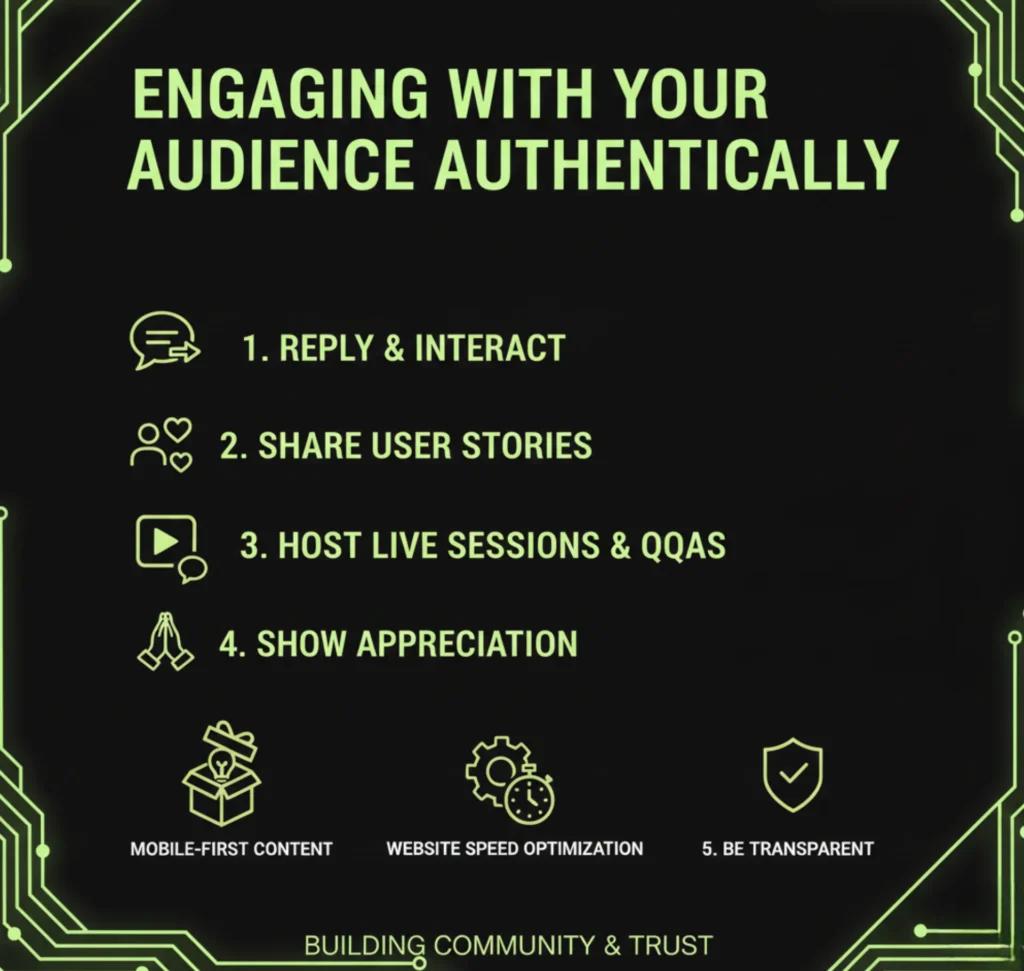
People don’t engage with brands. They engage with personalities. That’s why Online Brand Building should feel personal and genuine. Show the human side of your brand. Use real stories, testimonials, behind-the-scenes content, and casual interactions. This builds a sense of community and trust.
Ways to engage authentically:
- Reply to comments and messages promptly
- Share user-generated content
- Host live sessions and Q&As
- Show appreciation to your audience
- Be transparent and honest
When people feel heard and valued, they stick around. They also tell others about your brand.
Creating Conversations, Not Just Content
True engagement goes beyond just posting content it’s about starting meaningful conversations. To encourage answers, pose questions in your captions. Use polls and interactive stories on social media to learn what your audience thinks. Feature their answers to show that you’re listening. Encourage feedback on your products or services and act on it when possible. This mutually beneficial relationship humanizes your business and makes your followers feel invested in your journey. In the world of Online Brand Building, genuine dialogue creates deeper loyalty than polished ads ever can.
Leveraging the Right Online Platforms
Not every platform is right for your brand. Knowing where your audience hangs out is key to effective Online Brand Building. Real estate clients may prefer LinkedIn and Facebook. Healthcare consumers might use YouTube and trusted blogs. NGOs often benefit from Instagram and Twitter for awareness.
Select platforms based on:
- Audience demographics
- Content style (video, text, photos)
- Brand goals (sales, awareness, leads)
Use the platform’s tools to grow your reach. This might include paid ads, hashtags, reels, or stories. Keep testing and analyzing to find what works best.
Platform-Specific Strategies for Maximum Impact
Each platform requires its own approach to get results. On LinkedIn, focus on professional content like case studies, thought leadership, and testimonials. Instagram works well with visuals, behind-the-scenes stories, and short videos. Facebook supports community building through groups and events, while YouTube helps educate and showcase brand authority through longer videos. X (formerly Twitter) is ideal for updates, advocacy, and thought-provoking conversations. Tailor your content to match the platform’s tone and user behavior. This multiplies your chances of visibility and engagement both critical in Online Brand Building.
Case Studies & Real-World Examples
Real brands are seeing real success online. Latin American marketing agencies are becoming global B2B leaders. They use storytelling, cultural relevance, and visual appeal. These methods resonate deeply with international audiences. It proves that localization and creativity can boost brand strength.
Other examples include:
- AI-powered branding tools for automation and personalization
- E-commerce sites improving UX to boost conversion rates
- B2B brands using Account-Based Marketing (ABM) to engage top clients
These success stories show how strategy and technology together create powerful online brands.
Lessons Learned from These Success Stories
What can we learn from these brands? First, relevance matters localizing your content for different regions builds stronger emotional ties. Second, automation doesn’t replace creativity; it enhances it. Third, personalization is no longer optional it’s expected. Whether you’re in healthcare, real estate, or the NGO sector, applying these lessons can lead to measurable growth. Successful Online Brand Building blends data-driven decisions with authentic human experiences.
Table: Key Elements of a Strong Online Brand
| Element | Purpose | Tools/Platforms |
| Visual Identity | Build recognition through design | Canva, Adobe Illustrator |
| Website & UX | Make your brand accessible and credible | WordPress, Webflow |
| Social Media Presence | Engage and grow your audience | Instagram, LinkedIn, Meta |
| Brand Messaging | Deliver a consistent, memorable message | Grammarly, Copy.ai |
| SEO & Content Marketing | Drive traffic and provide value | Yoast, SEMrush, Google Tools |
| Audience Interaction | Build trust and loyalty | Intercom, Google Reviews |
Monitoring Your Brand Performance
You can’t improve what you don’t measure. Tracking how your brand performs online is vital for long-term growth. Use tools like Google Analytics, Meta Insights, and social listening platforms to monitor your digital footprint. Keep an eye on engagement, conversions, website traffic, and bounce rates. These metrics help you understand what’s working and what needs adjusting.
Look beyond numbers and listen to feedback. Are people talking positively about your brand? Are your values being recognized? Regular performance audits allow you to stay aligned with your goals. For Mugenz and similar agencies, tracking audience behavior across healthcare, NGO, and real estate sectors ensures your strategy remains impactful.
Building Trust and Credibility Online
Trust isn’t built overnight it’s earned through consistency, honesty, and value. In the digital world, reviews, testimonials, and case studies act as social proof. These reassure potential clients that your brand delivers on its promises. Make sure your website displays clear contact information, certifications, and privacy policies. This creates transparency and fosters trust.
Publish informative articles that address the issues of your readers on a regular basis. Whether it’s a blog post, video, or infographic, useful content builds authority. For sectors like healthcare and NGOs, credibility is everything. By educating your audience and being responsive, your online brand presence becomes more trustworthy and respected in the long run.
Conclusion
Establishing a brand online is no longer optional it’s essential for long-term success. With the right approach, even small businesses can compete and stand out in crowded markets. Prioritize consistency, authenticity, and a seamless user experience across all platforms. Stay updated with evolving digital trends to keep your brand relevant and competitive. The stronger your online brand, the more trust, traffic, and conversions you’ll gain over time.
Ready to Elevate Your Online Brand?
Looking to grow your brand in healthcare, NGOs, or real estate?
Mugenz is here to help you build a powerful online presence tailored to audiences in the US, UK, and Australia.
Book your free strategy session today and start your journey toward Online Brand Building that delivers real, measurable results.
FAQs
Q: What is the first step in Online Brand Building?
A: The first step is understanding your target audience clearly. Identify who they are, what they need, and how they behave online. Once you know their preferences, pain points, and motivations, you can create a brand identity that truly resonates with them. This includes defining your brand voice, visual style, and message. A strong start ensures all your future branding efforts stay aligned and meaningful.
Q: Do I need a website to build my brand online?
A: Yes, having a website is essential for establishing credibility and trust. It acts as the digital headquarters of your brand where customers learn about your services, contact you, and make decisions. A well-designed, mobile-friendly website also boosts your visibility on search engines. It allows you to publish valuable content, showcase expertise, and nurture leads. Without a website, your online presence feels incomplete and less trustworthy.
Q: How do I maintain consistency across all digital platforms?
A: Consistency starts with creating a clear brand guide. This should include your logo usage, brand colors, tone of voice, typography, and messaging framework. Use this guide every time you post on social media, design a new page, or create marketing materials. Consistency builds recognition, strengthens trust, and makes your brand feel unified. Over time, your audience learns to identify your content instantly.
Q: Is social media necessary for all brands?
A: Social media is important, but not every platform suits every business. Instead of being everywhere, choose platforms where your target audience is most active. For example, real estate brands often thrive on LinkedIn and Facebook, while NGOs engage well on Instagram and Twitter. Healthcare brands may perform best with educational content on YouTube or blogs. Focus on the platforms that support your goals, content style, and audience behavior.
Q: Can small businesses really compete with larger brands online?
A: Absolutely. Small businesses often win because they are more personal, authentic, and flexible. With the right strategy like niche targeting, storytelling, and consistent branding small brands can build strong connections with their ideal audience. Digital tools make it easier to compete regardless of size. By focusing on value, quality content, and user experience, small businesses can thrive and even outperform bigger competitors.