Introduction to Sustainability Trends
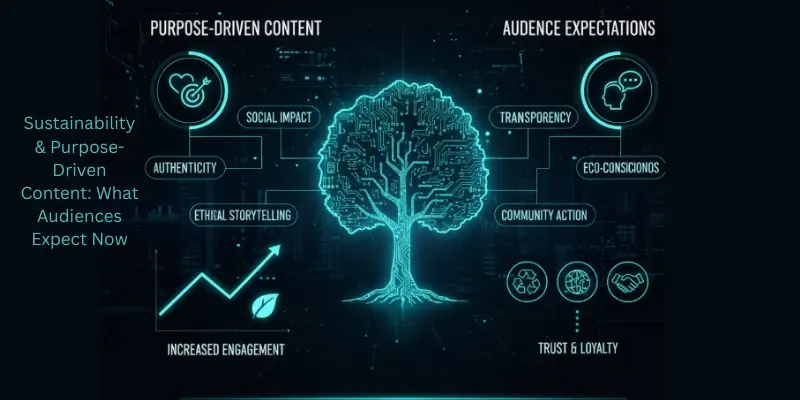
Purpose-driven content marketing is no longer a nice-to-have strategy for brands. It has become a clear expectation from modern audiences who care deeply about values, impact, and authenticity. People want to know what a brand truly stands for before they decide to trust it. Sustainability and purpose now influence buying decisions across industries. The way that brands interact and engage with their audiences is being redefined by this change.
Audiences today look beyond catchy campaigns and polished visuals. They expect honest messaging, responsible practices, and proof of long-term commitment. Sustainability and purpose-driven content answers this need by aligning brand values with real-world action. When content reflects genuine purpose, it feels human and trustworthy. This is where meaningful engagement begins and long-term loyalty is built.
Key Sustainability Themes for 2025
Regenerative Economy
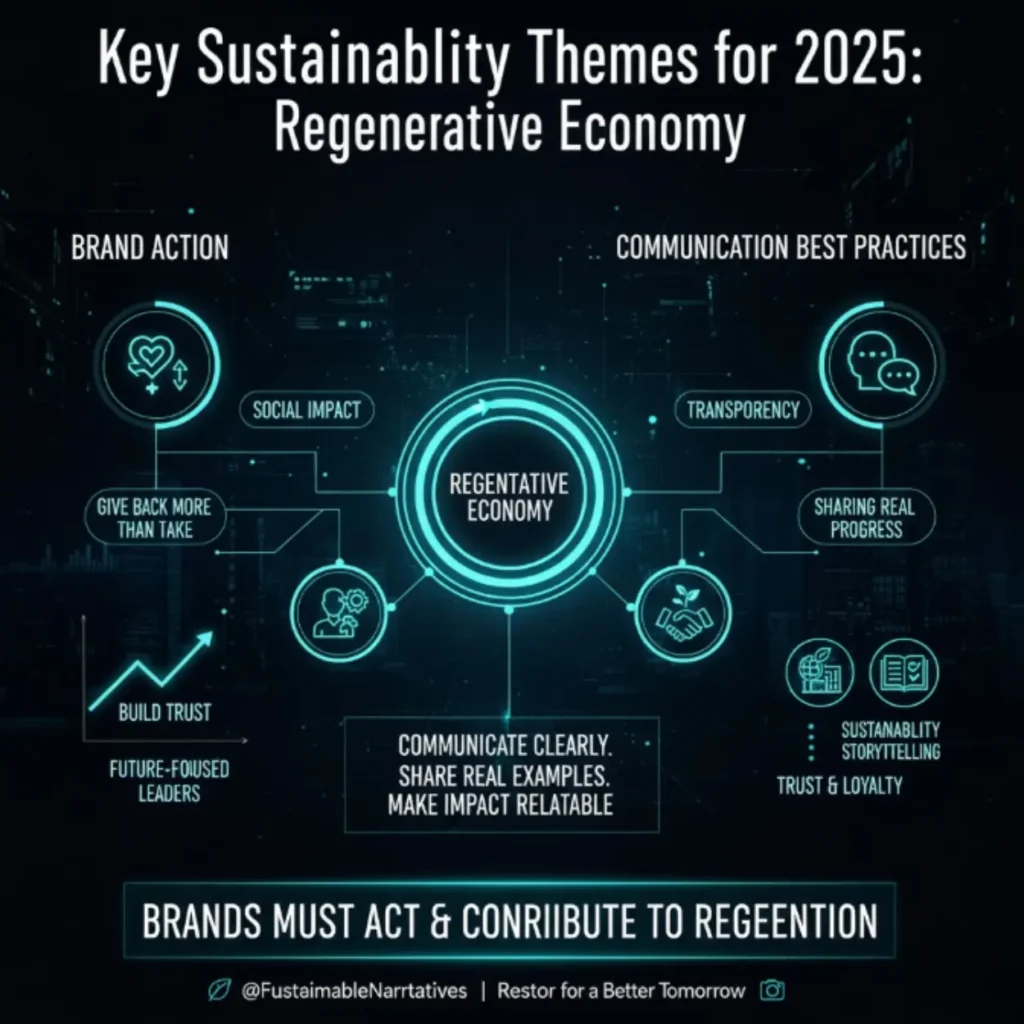
The regenerative economy focuses on restoring resources rather than simply reducing harm. Brands are now expected to give back more than they take from society and the environment. Purpose-driven content marketing helps explain how businesses contribute to regeneration in simple terms. This approach builds trust with conscious consumers who care about long-term impact. It also positions brands as future-focused and responsible leaders.
To communicate regenerative efforts effectively, brands should share progress in a clear and honest way. Real examples help audiences understand the impact better. Partnerships and community involvement add credibility. Sustainability storytelling makes outcomes relatable and easy to grasp. Clear communication turns complex sustainability ideas into meaningful stories.
Best practices include:
- Sharing real progress instead of vague promises
- Highlighting partnerships and community impact
- Using sustainability storytelling to explain outcomes
End-to-End Sustainable Practices
Audiences want transparency across the full business journey. They care about sourcing, production, delivery, and even disposal. Sustainability in digital marketing helps brands explain these processes clearly and simply. Purpose-driven content marketing connects each step to the brand’s core values. This builds confidence and long-term loyalty.
Brands can showcase end-to-end sustainability through behind-the-scenes content. Visual explanations help simplify complex processes. Regular updates show consistency and commitment. Perfection is not required, honesty is. Audiences value progress over polished claims.
Ways to show transparency:
- Creating behind-the-scenes content
- Using visuals and short videos
- Publishing regular sustainability updates
Commitments to Renewing Life
Renewing life goes beyond environmental care. It includes social wellbeing, fair labor, ethical operations, and community support. Purpose-driven branding allows companies to communicate these commitments clearly. Audiences respond positively to brands that support both people and planet. This strengthens emotional connection and trust.
Effective content focuses on real human impact. Stories about employees, communities, and beneficiaries feel relatable. Long-term goals show seriousness and vision. Simple language keeps the message accessible. Authenticity remains the strongest driver of engagement.
Content should highlight:
- Human stories
- Community programs
- Long-term impact goals
Sustainable Finance
Sustainable finance shows how money supports ethical and responsible growth. Audiences want to know where investments go and why they matter. Brand purpose marketing helps explain financial responsibility in simple language. Transparency builds credibility in competitive markets. It also attracts investors and partners who share similar values.
Clear data builds confidence when combined with storytelling. ESG goals show commitment to long-term impact. Financial transparency reduces doubt and skepticism. Honest reporting strengthens trust. Sustainable finance messaging should always be clear and accessible.
Brands should communicate:
- Ethical investment policies
- ESG goals and priorities
- Measurable financial impact
Why Audiences No Longer Trust Brand Promises Alone
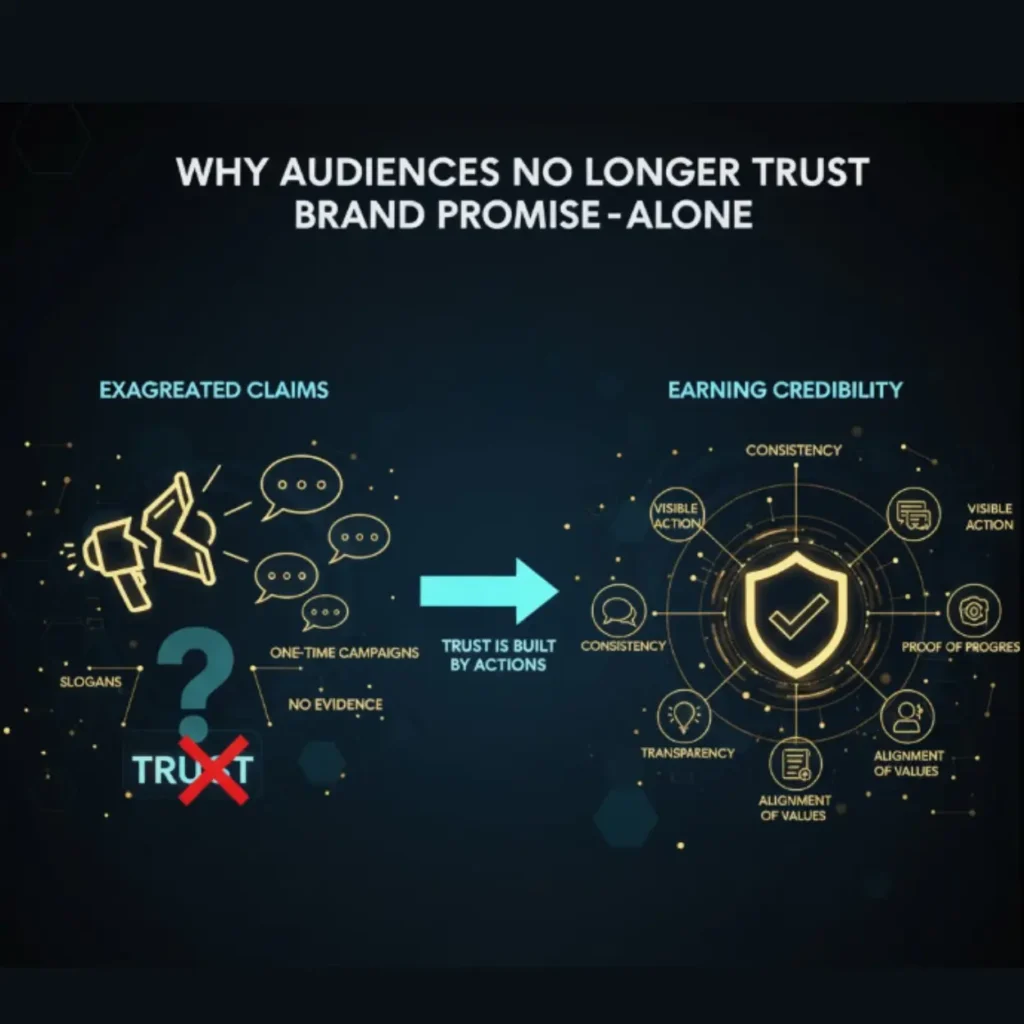
Modern audiences have become more informed and skeptical due to years of exaggerated marketing claims. They no longer trust slogans or one-time campaigns without evidence. Purpose-driven content must be supported by visible action, consistency, and transparency. Brands are now judged by what they do over time, not what they say once. Honest communication and proof of progress are essential to earn credibility. Trust is built through actions that align with stated values.
The Shift from Campaign-Based Marketing to Value-Based Communication
Traditional marketing focused on short-term campaigns and promotions. Today, audiences expect long-term value-driven communication instead. Purpose-driven content reflects ongoing commitments rather than seasonal messages. Brands that communicate values consistently across platforms appear more authentic. This shift helps build emotional connections and long-term loyalty. Value-based communication creates relevance beyond products and services.
How Consumer Expectations Have Changed in the Digital Age
Digital access has empowered audiences to research, compare, and question brands instantly. Social media and search engines expose inconsistencies quickly. Consumers now expect immediate answers, transparency, and accountability. Purpose-driven content helps address these expectations by clearly explaining values and actions. Brands that ignore this shift risk losing trust and relevance. Digital transparency is no longer optional.
The Role of Storytelling in Sustainability Content
Storytelling turns sustainability efforts into relatable human experiences. Data alone cannot build emotional connections. Purpose-driven storytelling helps audiences understand why sustainability matters and how it affects real lives. Stories about people, communities, and progress make content memorable. Authentic narratives also reduce skepticism and increase trust. Strong storytelling bridges the gap between strategy and emotion.
Why Transparency Outperforms Perfection in Sustainability Marketing
Audiences do not expect brands to be perfect, but they do expect honesty. Sharing challenges, limitations, and lessons learned builds credibility. Purpose-driven content that acknowledges setbacks feels more human and trustworthy. Transparency shows commitment to improvement rather than image protection. Brands that openly communicate progress earn deeper respect. Honest imperfection strengthens authenticity.
How Purpose-Driven Content Builds Long-Term Brand Loyalty
Purpose-driven content creates emotional alignment between brands and audiences. When people feel shared values, they are more likely to stay loyal. Sustainability and ethical messaging strengthen this bond over time. Loyalty today is driven by trust, not discounts. Brands that consistently communicate purpose retain audiences even during market changes. Values-based loyalty lasts longer than transactional relationships.
The Business Impact of Sustainability-Focused Content
Purpose-driven content does more than build reputation it drives measurable business results. Brands with strong sustainability messaging often see higher engagement and customer retention. Ethical positioning also attracts partners, investors, and talent. Purpose strengthens brand differentiation in competitive markets. When sustainability aligns with strategy, performance improves. Impact and profitability can coexist.
The Importance of Consistency Across All Digital Channels
Audiences interact with brands across websites, social media, email, and ads. Inconsistent messaging creates confusion and distrust. Purpose-driven content must remain aligned across all platforms. Consistency reinforces brand values and strengthens credibility. Every touchpoint should reflect the same sustainability commitments. Unified communication builds confidence and recognition.
How Purpose-Driven Content Supports SEO and Discoverability
Search engines increasingly reward helpful, trustworthy, and authoritative content. Purpose-driven blogs naturally include depth, clarity, and relevance. Sustainability topics encourage longer engagement and lower bounce rates. Structured content with clear H2s improves readability and rankings. Ethical, informative content performs better in AI-driven search environments. Purpose supports visibility.
The Role of Community Engagement in Sustainable Branding
Communities play a vital role in sustainability success. Purpose-driven content that highlights collaboration builds authenticity. Engaging communities shows brands are listening, not lecturing. User-generated content and feedback strengthen trust. Community-first storytelling feels inclusive and genuine. Sustainable branding grows stronger when audiences feel involved.
Preparing Brands for the Future of Responsible Marketing
The future of marketing will be shaped by accountability and ethics. Brands must prepare by embedding purpose into strategy, not treating it as a trend. Purpose-driven content helps future-proof brand reputation. Ethical AI, verified impact, and transparency will define success. Brands that adapt early will lead their industries. Responsibility is the future of growth.
Sustainability Performance & Reporting
Sustainability Indicators
Audiences trust numbers when they are easy to understand. Sustainability indicators provide proof that actions are taking place. Purpose-driven content marketing turns data into meaningful insights. This helps audiences see real progress instead of empty claims. It also improves brand authority and trust.
Visual formats make indicators easier to digest. Charts and summaries improve clarity. Year-over-year comparisons show consistency. Data supports sustainability storytelling when explained properly. Clear metrics strengthen credibility.
Use indicators to:
- Show year-over-year improvements
- Support sustainability storytelling
- Strengthen brand credibility
Sustainability Positions & Governance
Strong governance shows accountability at the leadership level. Audiences expect brands to take responsibility from the top. Purpose-driven branding highlights governance structures clearly. Transparency reduces skepticism and doubt. It builds long-term trust.
Content should explain who is responsible for sustainability decisions. Ethical standards must be clearly stated. Decision-making processes should feel open and fair. Leadership visibility adds confidence. Clear governance signals seriousness.
Content should explain:
- Leadership roles in sustainability
- Decision-making processes
- Ethical standards and policies
Annual Sustainability Report
Sustainability reports are no longer just for stakeholders. Modern audiences actively read them. Purpose-driven content marketing simplifies reports into digestible formats. This increases reach and understanding. It also improves SEO visibility.
Accessible reports engage wider audiences. Summary blogs make information easy to scan. Audio and PDF formats improve accessibility. Visual highlights increase retention. Simplicity improves engagement.
Best practices include:
- Summary blog posts
- Visual highlights
- Audio and PDF versions
Environmental & Climate Impact
Climate Action
Climate responsibility is a top concern for modern audiences. They expect brands to act, not just speak. Purpose-driven content marketing explains climate strategies clearly. This builds confidence and trust. It also improves brand perception.
Effective climate content includes honest updates. Clear goals show direction. Progress reports show accountability. Acknowledging challenges builds authenticity. Transparency always strengthens trust.
Effective climate content includes:
- Clear climate goals
- Progress updates
- Honest challenges
Carbon, Energy, and Water Management
Resource management shows operational responsibility. Audiences value brands that reduce waste and emissions. Sustainability in digital marketing helps explain these efforts clearly. Simple explanations work best. Visual data adds clarity.
| Area | Key Focus | Audience Benefit |
| Carbon | Emission reduction | Environmental trust |
| Energy | Efficiency | Cost awareness |
| Water | Conservation | Community impact |
Social Responsibility & Human Impact
People & Communities
Audiences support brands that support people. Purpose-driven branding highlights human impact clearly. Stories of employees and communities feel relatable. This increases emotional engagement. It builds loyalty.
Fair work practices show respect. Community support builds goodwill. Employee wellbeing reflects company values. Real stories connect better than slogans. Human impact strengthens trust.
Focus on:
- Fair work practices
- Local community support
- Employee wellbeing
Diversity, Equity & Inclusion
Inclusion is now an expectation, not a bonus. Audiences notice silence quickly. Purpose-driven content marketing communicates DEI commitments clearly. Authentic action matters more than words. Trust depends on consistency.
Real policies show seriousness. Diverse voices add credibility. Measurable progress builds confidence. Honest reporting avoids backlash. Inclusion strengthens brand reputation.
Content should show:
- Real policies
- Diverse voices
- Measurable progress
EcoVadis & Sustainability Excellence
EcoVadis plays a key role in sustainability credibility. Audiences and partners trust verified standards. Purpose-driven content marketing explains EcoVadis value in simple language. This improves transparency and trust. It also supports commercial growth.
Strong EcoVadis performance opens new opportunities. It helps win bids and partnerships. Major brands prefer verified suppliers. Trust grows through certification. Clear communication increases impact.
Benefits include:
- Winning more bids
- Attracting major brands
- Enhancing credibility
Practical Sustainability Solutions
Audiences value solutions more than theory. Purpose-driven content marketing focuses on actionable steps. Practical advice builds authority and confidence. It supports informed decision-making. This drives engagement and conversions.
Simple frameworks work best. Roadmaps provide direction. Content audits reveal gaps. Ethical AI guidelines ensure trust. Practical content converts better.
Examples include:
- Sustainability roadmaps
- Content audits
- Ethical AI usage guidelines
Access the Sustainability Report
Multiple content formats improve accessibility. PDF and audio versions serve different audience needs. Sustainability storytelling becomes more inclusive. It also boosts engagement time. This supports SEO.
Reports should be easy to find and navigate. Summaries help busy readers. Audio formats support accessibility. Clear structure improves user experience. Small changes create big impact.
The Role of AI Ethics in Purpose-Driven Content Marketing (Continued)
Ethical AI supports sustainable growth when used responsibly. Brands should use AI as a support tool, not a replacement for human values. Content must still reflect empathy, fairness, and accountability. Audiences expect brands to be honest about how AI is used. Transparency strengthens credibility and long-term trust.
Purpose-driven branding requires clear AI guidelines. These guidelines should focus on accuracy, inclusivity, and user benefit. Human review ensures content aligns with brand values. Ethical AI use also protects brand reputation. Responsible AI builds confidence instead of fear.
Best practices for ethical AI use include:
- Clear disclosure of AI-generated content
- Human review and quality checks
- Avoiding bias and misinformation
- Using AI to enhance value, not mass-produce content
How Brands Can Align Purpose with Performance
Aligning purpose with performance is essential for long-term success. Purpose-driven content marketing connects values with measurable outcomes. Audiences want to see how purpose drives real action. This alignment builds trust and commercial value. It also supports sustainable growth.
Brands should integrate purpose into KPIs. Sustainability goals should influence marketing decisions. Content performance should reflect ethical impact. When purpose and performance work together, results improve. This balance strengthens brand authority.
Purpose vs Performance Alignment Table
| Area | Purpose Focus | Business Impact |
| Content | Value-led messaging | Higher engagement |
| Branding | Ethical positioning | Brand trust |
| Marketing | Sustainability storytelling | Long-term loyalty |
| Strategy | Responsible growth | Competitive advantage |
Common Mistakes in Purpose-Driven Content Marketing
Many brands fail by focusing only on messaging. Audiences quickly detect surface-level efforts. Purpose-driven content marketing requires action, not slogans. Inconsistency damages trust. Authenticity is non-negotiable.
Another mistake is overpromising. Brands should communicate progress honestly. Silence on challenges creates doubt. Transparency builds credibility even during setbacks. Honest content performs better long-term.
Avoid these mistakes:
- Greenwashing or vague claims
- Lack of measurable proof
- Ignoring audience feedback
- Inconsistent messaging
Future of Sustainability & Purpose-Driven Content
The future of content is value-led. Audiences will demand deeper accountability. Purpose-driven content marketing will become a baseline expectation. Brands without clear values will struggle. Trust will define success.
Sustainability storytelling will evolve into real-time transparency. AI ethics will play a larger role. Verified impact will replace claims. Brands that adapt early will lead. Purpose will drive performance.
Key future trends include:
- Real-time sustainability updates
- Verified impact metrics
- Ethical AI-led content workflows
- Community-first branding
Build Purpose-Driven Digital Growth
Power Sustainable Growth with Mugenz
Mugenz helps purpose-led brands turn values into measurable digital success. Our platform supports healthcare, real estate, and NGOs with smart, ethical, and scalable digital solutions.
- Healthcare: Build trust through transparent, patient-focused digital experiences
- Real Estate: Promote responsible development with value-led digital strategies
- NGOs: Amplify impact with purpose-driven storytelling and smart commerce tools
Explore Mugenz today to grow responsibly, communicate transparently, and convert with purpose.
Conclusion:
Purpose-driven content marketing is now a core business strategy. Audiences expect honesty, responsibility, and real impact. Sustainability in digital marketing builds trust and loyalty. Purpose-driven branding strengthens long-term growth. Brands that lead with values will win the future.
The shift is clear. Content must serve people, planet, and progress. Ethical AI, transparency, and action will define credibility. Purpose is no longer optional. It is the foundation of modern marketing success.
FAQs
What is purpose-driven content marketing?
Purpose-driven content marketing focuses on creating content that reflects a brand’s values, ethics, and long-term impact, not just promotion.
Why is sustainability important in digital marketing?
Sustainability builds trust, influences buying decisions, and strengthens brand credibility in competitive markets.
How can brands avoid greenwashing?
By sharing measurable progress, being transparent about challenges, and avoiding vague or exaggerated claims.
Does ethical AI matter in content marketing?
Yes. Ethical AI ensures fairness, accuracy, and trust while supporting responsible content creation.
How does purpose-driven branding improve business results?
It builds loyalty, improves engagement, attracts conscious consumers, and supports long-term growth.