TL;DR – Virtual Try-On in Retail
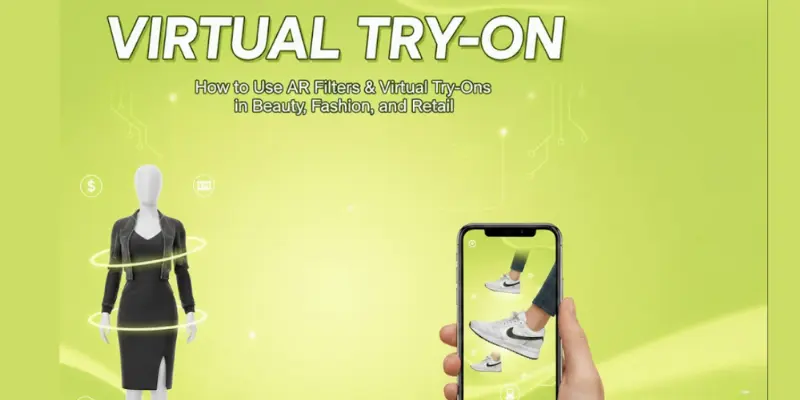
Virtual try-on is changing how people shop online. It allows customers to see products on themselves using augmented reality before buying. This builds trust, improves confidence, and reduces returns.
Virtual try-on is no longer a trend. It is becoming a core strategy for beauty, fashion, and retail brands that want to grow online. Brands that adopt it early gain a strong competitive advantage.
Introduction: Why Virtual Try-On Matters Now
Online shopping is growing fast, yet nearly 30% of online purchases are returned because customers cannot see how products will actually look or fit. Shoppers rely on static images and size charts, but these tools often create doubt instead of confidence. This uncertainty leads to abandoned carts, higher return rates, and lost trust for brands.
Virtual try-on for online shopping solves this problem by letting customers see products on themselves using augmented reality before they buy. By adding realism, personalization, and interactivity to e-commerce, virtual try-on helps brands increase conversions, reduce returns, and recreate the in-store experience online.
What Is Virtual Try-On?
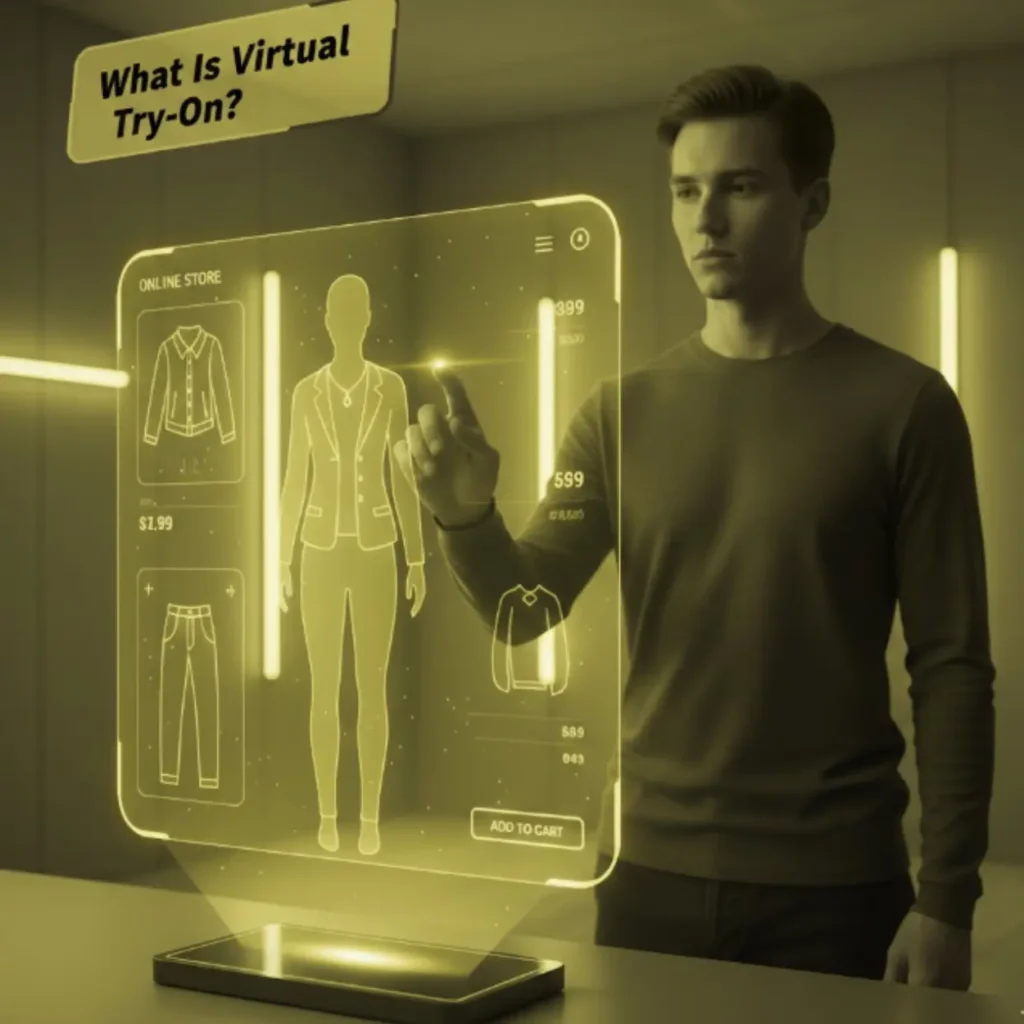
Virtual try-on is a technology that allows customers to test products digitally using their phone or camera. It uses augmented reality to place products on the user in real time. Customers can see makeup, clothing, eyewear, or accessories before purchasing.
This technology reduces uncertainty in online shopping. Instead of guessing, users make informed decisions. That is why virtual try-on is becoming essential for modern e-commerce.
Key Technologies Behind Virtual Try-On
Types of Virtual Try-On Experiences
Virtual try-on is powered by several advanced technologies working together. These tools ensure accuracy, realism, and smooth performance. Each technology plays a key role in delivering a seamless experience.
Behind the scenes, AR, AI, and 3D modeling work together. They track facial features, body movement, and lighting conditions. This creates a realistic and interactive shopping experience.
Core Technologies Used:
- Augmented Reality (AR)
- Artificial Intelligence (AI)
- 3D modeling and scanning
- Physically-Based Rendering (PBR)
- Face and body tracking
Virtual try-on experiences can be delivered in different formats depending on the product type and platform. Each type serves a specific purpose and solves a different customer problem. Brands often combine multiple types to create a complete shopping journey.
One common type is face-based virtual try-on, widely used in beauty and eyewear. It allows users to test makeup shades, glasses, or accessories using real-time facial mapping. This experience feels personal and highly engaging.
Another popular format is body-based or full-body virtual try-on. Fashion brands use this to show how clothing fits different body shapes and sizes. It helps customers understand proportions, drape, and style before purchasing.
Object-based virtual try-on is used for accessories, footwear, and jewelry. Products are placed accurately on hands, feet, or surroundings. This improves visualization and reduces hesitation.
Some brands also use pre-recorded or avatar-based virtual try-on experiences. Users select an avatar that matches their body type. This option works well when live camera access is limited.
By choosing the right type of virtual try-on experience, brands can improve usability and performance. The goal is to match the technology with customer expectations. This ensures better engagement and higher conversions.
How Virtual Try-On Works
Step-by-Step User Journey of a Virtual Try-On Experience
The virtual try-on process starts when a user activates the camera. The system scans facial or body features in real time. It then overlays the product accurately on the user’s image.
On the backend, algorithms process movement, lighting, and angles instantly. This ensures the product stays aligned as the user moves. The experience feels natural and engaging.
Applications and Online Shopping Experience of Virtual Try-On Across Industries
Virtual try-on is not limited to one sector. It is widely used across beauty, fashion, and retail industries. Each industry benefits in unique ways.
Brands use virtual try-on to increase customer confidence. It also helps reduce returns and improve satisfaction. This makes it a valuable tool for growth.
Beauty Virtual Try-On
Beauty brands use virtual try-on for makeup and skincare. Customers can test lipstick shades, foundation tones, and eye makeup. This removes guesswork and improves purchase decisions.
Beauty virtual try-on also supports personalization. Users can see products matched to their skin tone. This builds trust and loyalty.
Fashion and Apparel Virtual Try-On
Fashion brands use virtual try-on for clothing and fitting.Customers are able to see how clothing will fit their body type.This reduces size-related returns.
Virtual fitting rooms improve confidence in online fashion shopping. They help customers choose the right style and fit. This boosts conversion rates.
Accessories, Footwear, and Jewelry
Accessories like eyewear, watches, and jewelry benefit greatly from AR try-ons. Customers can see how items look from different angles. This enhances decision-making.
Footwear virtual try-on helps users understand size and style. Jewelry brands use it to show realism and detail.
Virtual Try-On Examples and How Top Beauty and Fashion Brands Are Using Them
Many global brands are already using virtual try-on successfully. These examples show how AR filters drive engagement and sales. They also highlight best practices.
Real-world use cases prove that virtual try-on works. Brands using it see higher time-on-site and better customer satisfaction.
Makeup Brand Virtual Try-On Example
A makeup brand integrates virtual try-on on its website. Users test products directly using their camera. The experience feels personal and interactive.
This approach increases conversion rates significantly. Customers feel confident before purchasing. It also reduces product returns.
Luxury Fashion and Eyewear Example
Luxury eyewear brands use AR try-ons to showcase premium products. Users explore frames in real time. This enhances brand perception.
Virtual try-on adds exclusivity and innovation. It also supports storytelling and brand identity. Luxury brands benefit greatly from this technology.
Benefits, Business Impact, and Customer Trust of Virtual Try-On for E-commerce and Retail
Virtual try-on delivers measurable business benefits for modern brands. It improves both customer experience and operational efficiency at the same time. By letting shoppers see products on themselves, it removes doubt from the buying process.
Customers feel more confident and engaged when they can preview products realistically. This confidence leads to higher sales and fewer returns. Over time, the technology pays for itself through improved performance.
Virtual try-on builds trust by increasing transparency. Customers no longer rely only on product images or descriptions. They can verify how a product looks, fits, or matches their preferences.
This sense of control makes shoppers feel respected and empowered. When customers trust a brand, they are more likely to return. Trust also increases word-of-mouth and brand advocacy.
Key Benefits:
- Higher conversion rates
- Lower product return rates
- Increased customer trust
- Better engagement
- Stronger brand differentiation
Virtual try-on also reduces purchase anxiety. Customers worry less about wrong sizes, shades, or styles. This creates a smoother and more enjoyable shopping journey.
For brands, this trust translates into long-term loyalty. Loyal consumers make larger purchases and spend more money.Virtual try-on helps brands build relationships, not just transactions.
Want to see how virtual try-on can work for your brand?
Brands using AR experiences often see higher engagement and stronger purchase confidence. If you are exploring virtual try-on for beauty, fashion, or retail, working with the right AR solution partner makes all the difference. Mugenz helps brands design scalable, user-friendly AR try-on experiences tailored to real business goals.
Virtual Try-On as a Marketing and Growth Tool: How AR Filters Transform Brand Storytelling
Virtual try-on is not just a feature. It is a powerful marketing tool. Brands use it to create interactive campaigns.
AR filters improve ad performance. Users spend more time interacting with content. This boosts brand recall.
Digital Marketing Improvements
Virtual try-on enhances digital ads. Interactive ads perform better than static ones. They attract attention and drive clicks.
Brands use AR filters in paid campaigns. This increases engagement and lowers acquisition costs. It also improves ROI.
Social Media and Platform Integration
Platforms like Instagram and Snapchat support AR filters. Brands use these tools for social commerce. Users try products directly on social apps.
This shortens the buying journey. Customers move from discovery to purchase quickly. Social AR drives impulse buying.
Sustainability, Experience-Driven Commerce, and Omnichannel Integration with Virtual Try-On
Virtual try-on supports sustainable fashion. It reduces unnecessary shipping and returns. This lowers environmental impact.
Brands also save resources. Digital trials reduce waste. Sustainability becomes a competitive advantage.
Sustainability Benefits:
- Fewer returns
- Reduced carbon footprint
- Less product waste
Future Trends
- Hyper-personalization
- AI-driven recommendations
- Omnichannel integration
- Virtual fashion events
Challenges, Cost, Integration, and ROI Considerations of Virtual Try-On Technology
Virtual try-on has challenges. Accuracy and realism must improve. Technical limitations can affect performance.
User adoption is another challenge. Brands must educate customers. Simple onboarding helps overcome resistance.
Virtual Try-On Platforms and Tools for Brands
Many platforms now offer ready-made virtual try-on solutions. These tools help brands launch AR experiences without heavy development costs. Popular platforms support beauty, fashion, eyewear, and accessories, offering a range of customization options and analytics features.
Choosing the right platform depends on budget, technical capabilities, and business goals. Some tools focus on social media AR filters, allowing brands to leverage platforms like Instagram and Snapchat. Others specialize in e-commerce website integration with features like product catalogs, 3D model rendering, and payment system compatibility. Brands should also consider customer support, software updates, and scalability when choosing a platform.
How to Measure the Success of Virtual Try-On Campaigns
Measuring performance is essential for ROI. Brands should track both engagement and conversion metrics, including click-through rates, add-to-cart rates, and completed purchases. Data helps optimize future campaigns and informs product and marketing strategy.
Key metrics include conversion rate lift, return reduction, and time spent using the try-on feature. Other indicators include customer satisfaction surveys, repeat visit rates, and social shares of AR experiences. These insights show real business impact and can help justify further investment in virtual try-on technology.
Virtual Try-On for Small and Medium Businesses
Virtual try-on is no longer limited to big brands. Many affordable solutions exist for small businesses, including cloud-based SaaS platforms and plug-and-play AR tools. SaaS platforms make adoption easier and allow brands to scale as their business grows.
Small brands can start with best-selling products or seasonal collections. Social media AR filters are a low-cost entry point, helping small businesses engage audiences and drive online sales. Gradual scaling allows for testing, learning, and optimizing experiences to better match customer preferences.
Virtual try-on can also help small brands build brand identity and loyalty. By providing interactive, immersive shopping experiences, even smaller companies can compete with larger competitors. Partnering with technology providers ensures technical expertise and reduces development risks.
Privacy, Security, and User Data Considerations
Virtual try-on relies on camera access and user data. Brands must ensure strong privacy protection and transparent data usage policies. Transparency builds trust and reassures customers that their personal information is safe.
Clear consent and secure data handling are essential. Compliance with data laws such as GDPR, CCPA, and other local regulations protects brands from legal risk. Responsible use of user data also enhances brand credibility and encourages repeat engagement.
Brands should educate users about data usage and retention policies. Offering options for users to control and delete their data builds confidence. Security audits, encryption, and regular software updates further protect against potential vulnerabilities.
How to Measure the Success of Virtual Try-On Campaigns
Measuring performance is essential for ROI. Brands should track both engagement and conversion metrics. Data helps optimize future campaigns.
Key metrics include conversion rate lift and return reduction. Time spent using the try-on feature is also important. These insights show real business impact.
Virtual Try-On for Small and Medium Businesses
Virtual try-on is no longer limited to big brands. Many affordable solutions exist for small businesses. SaaS platforms make adoption easier.
Small brands can start with best-selling products. Social media AR filters are a low-cost entry point. This allows gradual scaling.
Privacy, Security, and User Data Considerations
Virtual try-on relies on camera access and user data. Brands must ensure strong privacy protection. Openness fosters trust.
Secure data handling and explicit consent are crucial.Compliance with data laws is important. Responsible use improves brand credibility.
How Brands and Marketers Can Leverage Virtual Try-On
Brands should integrate virtual try-on strategically. It must align with customer needs. Clear goals drive better results.
Marketers can reuse 3D assets across platforms. This saves time and cost. It also ensures consistency.
Best Practices:
- Start with best-selling products
- Optimize for mobile
- Track performance metrics
- Combine with social ads
- Offer interactive tutorials or guides
- Integrate customer reviews and ratings within try-on
- Personalize recommendations based on user behavior
- Use gamification to increase engagement
- Monitor analytics and iterate campaigns regularly
Take the Next Step with Mugenz
Healthcare
Use AR solutions to educate patients and visualize treatments. Improve trust and engagement with immersive experiences.
Real Estate
Show properties through virtual tours and AR visualization. Help buyers make faster decisions.
NGOs
Use AR storytelling to drive awareness and donations. Create emotional and interactive campaigns.
Contact Mugenz today to explore smart AR solutions that drive real impact.
Conclusion
Virtual try-on is transforming beauty, fashion, and retail.It connects online and offline shopping. Brands that adopt it early gain trust and loyalty.
Virtual try-on for online shopping is no longer optional. It is essential for growth, personalization, and sustainability. The future of retail is interactive.
FAQs
What is virtual try-on for online shopping?
Virtual try-on allows customers to test products digitally using AR. It improves confidence and reduces returns.
Is virtual try-on accurate?
Accuracy depends on technology quality. Modern AR solutions offer high realism and precision.
Can small businesses use virtual try-on?
Yes, many platforms offer affordable solutions. Small brands can benefit greatly.
Does virtual try-on increase sales?
Yes, it improves conversion rates and engagement. Customers buy with confidence.